 11
11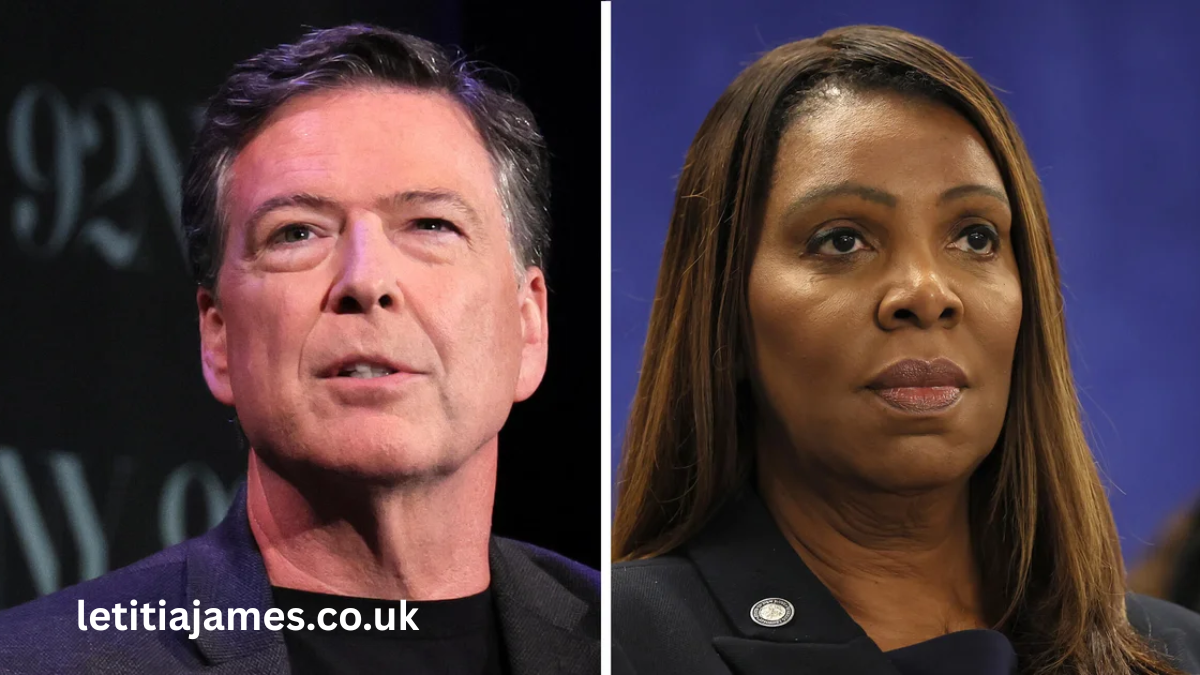
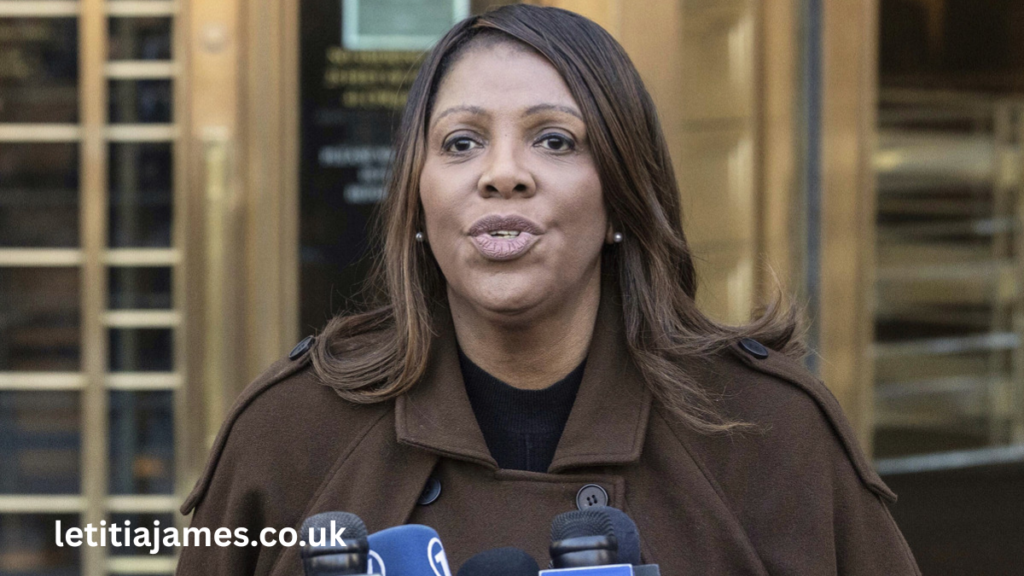
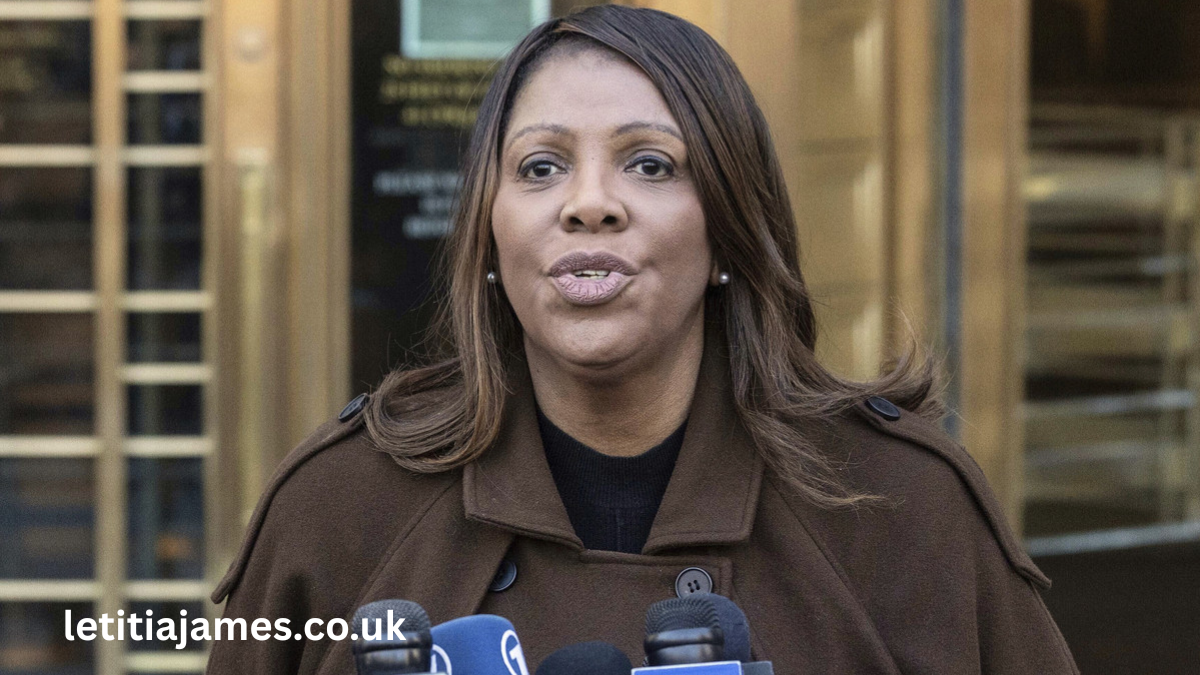
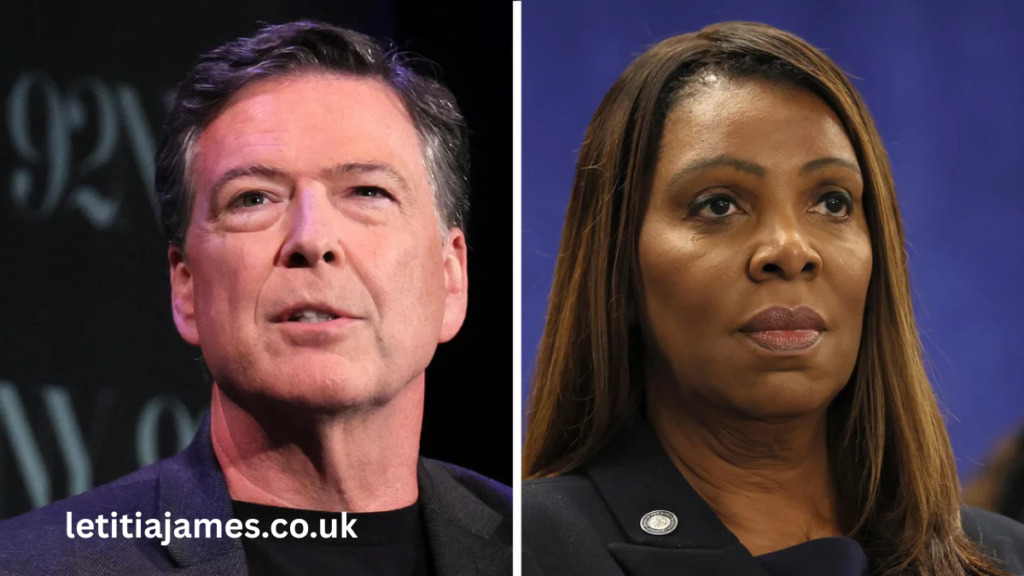
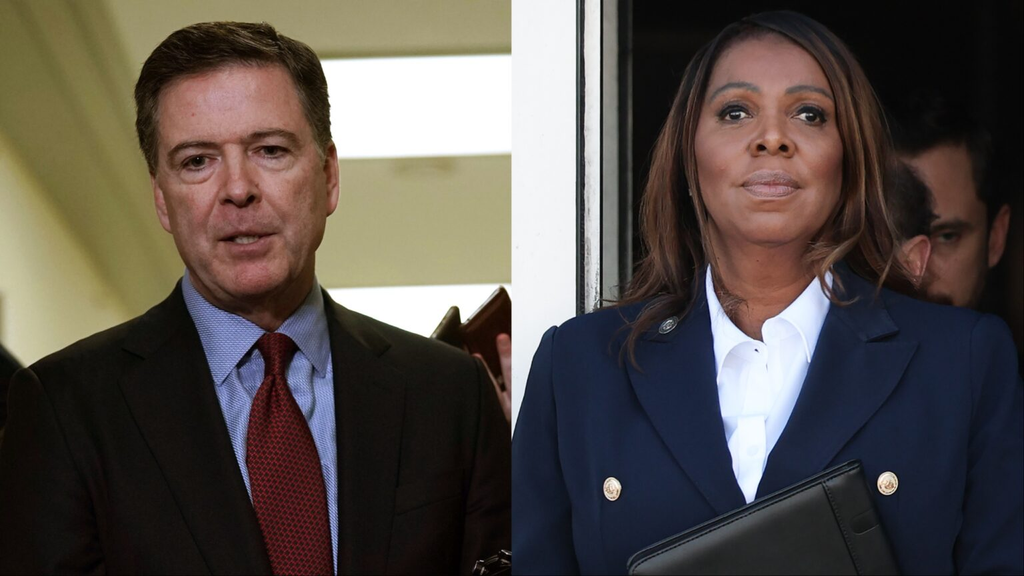
The phrase comey, letitia james motions consolidated refers to a closely watched federal legal dispute involving former FBI Director James Comey and New York Attorney General Letitia James. Although the two criminal cases concern different allegations, both defendants challenged the authority of Lindsey Halligan, who had been appointed interim U.S. attorney for the Eastern District of Virginia. Because the appointment question overlapped, the courts handled that issue together.
In October 2025, Judge Jamar K. Walker ordered James’s anticipated appointment challenge consolidated with Comey’s similar motion. Judge Cameron McGowan Currie, a senior judge from South Carolina, was assigned to consider the appointment issue outside the Eastern District of Virginia. This arrangement allowed the same legal question to be examined in both cases.
The comey, letitia james motions consolidated issue therefore became less about the underlying allegations and more about who had lawful authority to bring the indictments. That distinction matters because a procedural defect in a prosecutor’s appointment can affect the validity of actions taken in that official capacity. It is a technical point, but an important one.
The comey, letitia james motions consolidated proceedings centered on Halligan’s appointment rather than treating every aspect of the two prosecutions as identical. Court filings show that the defendants’ appointment arguments substantially overlapped, so the government filed one consolidated response addressing those common issues. Comey separately raised additional arguments concerning selective and vindictive prosecution.
The underlying cases were not the same. Comey was charged with making false statements to Congress and obstructing a congressional proceeding. James was charged with bank fraud and making false statements related to a Virginia property. Those allegations remained separate even while the appointment dispute was considered jointly.
The comey, letitia james motions consolidated dispute did not make the underlying cases the same. Instead, it allowed a shared legal question to be addressed efficiently. The Fourth Circuit later consolidated the appeals for oral argument and disposition while allowing Comey and James to file separate response briefs.
At the heart of the “comey, letitia james motions consolidated” dispute was federal law governing interim U.S. attorneys. The district court concluded in November 2025 that Halligan had not been lawfully appointed to the position when she obtained the indictments. The court dismissed both indictments without prejudice.
The government appealed those rulings. Its appellate brief argued that federal statute permitted the attorney general to appoint a U.S. attorney when a vacancy existed and that the appointment complied with the statutory framework. The government also argued that the grand juries’ independent decisions to indict should matter when evaluating any appointment-related error.
The defendants took a different position. Their lawyers argued that the statutory limits on interim appointments prevented the attorney general from making the appointment in the circumstances presented. The dispute therefore turned on the interpretation of federal appointment law, including the relationship between the attorney general’s authority and the district court’s role.
The comey, letitia james motions consolidated appellate phase began when the government appealed those rulings. The district court had dismissed both indictments after finding Halligan lacked lawful authority to present them. The appeals then moved to the U.S. Court of Appeals for the Fourth Circuit.
In January 2026, the Fourth Circuit granted the government’s motion to consolidate the two appeals for argument and disposition. At the same time, the court allowed the defendants to submit separate response briefs rather than requiring one combined filing. That distinction recognized that the cases shared a legal issue but also contained case-specific arguments.
The appellate cases were part of the comey, letitia james motions consolidated appeals and were numbered 25-4673 for James and 25-4674 for Comey. By September 2026, the appeals had proceeded through briefing and oral argument. The Fourth Circuit heard arguments on September 15, 2026, and had not issued a ruling from the bench at that hearing.
The comey, letitia james motions consolidated appeals reached an important stage when the Fourth Circuit heard oral arguments in Richmond. Recent reporting indicates that the judges questioned the Justice Department’s interpretation of the appointment statute and examined whether the government’s reading could permit repeated interim appointments without the usual Senate-confirmation process.
The government defended its interpretation of the law and argued that Halligan’s appointment was authorized. The defense teams maintained that the statutory structure did not permit the appointment under the circumstances. These are competing legal interpretations, and the appellate court’s questions during oral argument do not themselves establish what the final ruling will be.
As of September 17, 2026, the appellate court had not announced a final decision in the consolidated appeals. That means the status of the dismissed indictments remains an appellate issue rather than a completed final judgment on the government’s attempt to revive them. Readers following the matter should distinguish between what happened at oral argument and what the court ultimately decides.
The practical importance of the comey, letitia james motions consolidated proceedings is that one appointment-law question could affect two high-profile prosecutions. Courts often consolidate matters when they share substantial legal questions because doing so can reduce duplicated briefing and provide consistent treatment of the same legal issue.
At the same time, consolidation has limits. It does not erase differences between the defendants or automatically resolve separate defenses. Comey, for example, has raised additional arguments that are distinct from the appointment challenge. James’s case also involves its own factual and legal allegations.
For readers researching comey, letitia james motions consolidated, the most useful way to understand the litigation is to separate three layers: the allegations against each defendant, the legality of Halligan’s appointment, and the government’s appellate effort to restore the dismissed indictments. Keeping those issues separate makes the procedural history easier to follow.
The comey, letitia james motions consolidated dispute illustrates why appointment authority can become significant in federal criminal litigation. Federal prosecutors exercise substantial statutory powers, and questions about who may lawfully exercise those powers can become decisive when an appointment is challenged.
It also demonstrates the difference between dismissal and a determination of factual guilt or innocence. The district court’s rulings addressed the legality of the indictments and Halligan’s authority. They did not constitute findings that the underlying allegations were proven or disproven at trial.
Finally, the litigation shows how an appellate court can review a district court’s interpretation of federal law. The Fourth Circuit’s eventual opinion will explain whether the lower court correctly interpreted the appointment statutes and whether the dismissals should stand. Until that opinion is issued, commentary about the final outcome should be treated as speculation.
What does comey, letitia james motions consolidated mean?
The phrase describes the consolidation of overlapping motions challenging the appointment authority of interim U.S. Attorney Lindsey Halligan in the separate prosecutions of James Comey and Letitia James.
Were Comey and James charged with the same offenses?
No. Comey’s indictment involved allegations of false statements to Congress and obstruction, while James’s indictment involved allegations concerning bank fraud and false statements connected to a Virginia property.
Did consolidation merge the two criminal cases?
No. The cases remained separate. The courts consolidated the overlapping appointment issue and later consolidated the appeals for oral argument and disposition while permitting separate briefs.
What did the district court decide?
The district court dismissed both indictments after concluding that Halligan had not been lawfully appointed to serve as interim U.S. attorney when she obtained them. The dismissals were without prejudice.
What is the current status of the appeals?
As of September 17, 2026, the Fourth Circuit had heard oral arguments on September 15 but had not issued its final ruling. The appellate court is considering the government’s challenge to the district court’s dismissal orders.
Understanding the comey, letitia james motions consolidated dispute requires separating procedural questions from the underlying allegations. The court record shows a litigation path that moved from separate criminal cases to a shared appointment challenge, followed by consolidated appellate proceedings. With the Fourth Circuit’s decision still pending after the September 2026 hearing, the most reliable approach is to follow the court’s eventual opinion rather than assume the outcome from arguments alone.