
 11
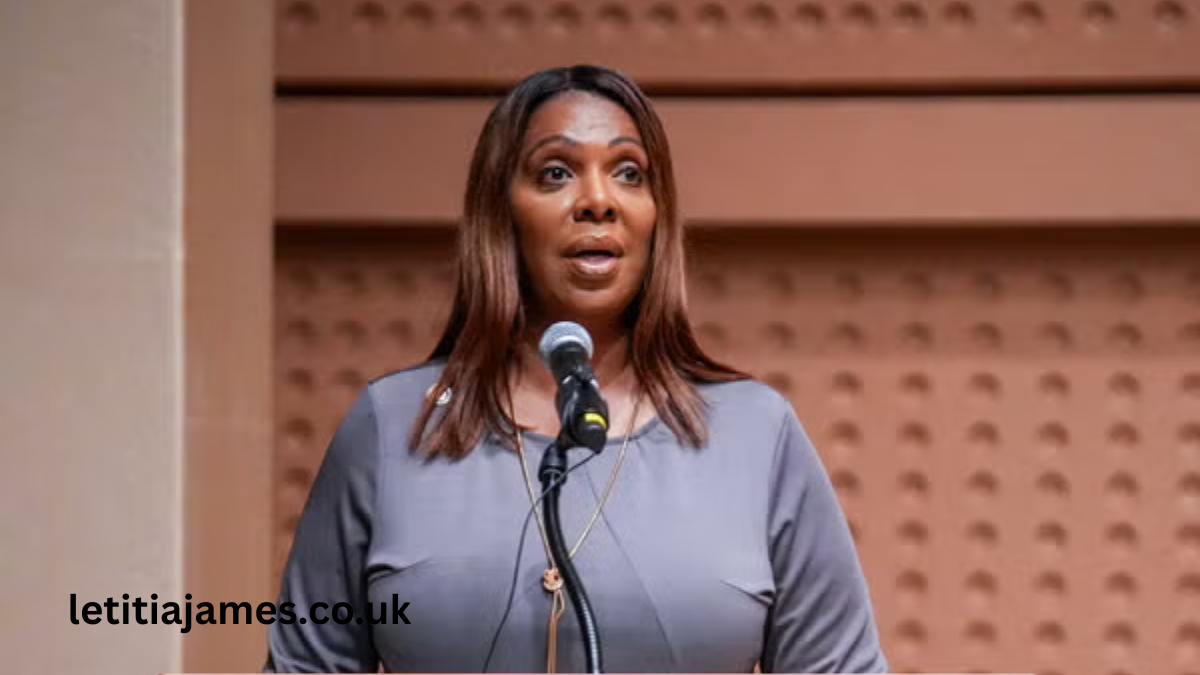
The question of What Letitia James has said about the Cornell Case has attracted widespread attention following renewed scrutiny of a sexual assault investigation involving Cornell University. New York Attorney General Letitia James has been appointed as a special prosecutor to oversee the criminal investigation, bringing renewed focus to questions about campus safety, the handling of sexual assault allegations, and the importance of a fair legal process.
The case dates back to an alleged incident in October 2024 involving a former Cornell student and members of the Chi Phi fraternity. The woman, identified in legal proceedings as Jane Doe, alleges that she was drugged and sexually assaulted. The allegations have prompted a civil lawsuit, public protests, and criticism of the initial investigation. The accused individuals have not been convicted of the alleged crimes, and the criminal investigation remains an important part of determining what happened.
James’s public remarks have also sparked debate about how prosecutors should discuss sensitive cases before examining all the evidence. Understanding her statements, her appointment, and the questions surrounding the investigation helps explain why the Cornell case has become a significant legal and public issue.
On September 28, 2026, James posted a public message expressing sympathy for the woman at the centre of the Cornell case. She wrote that what the young woman had been forced to endure was “horrific and unacceptable” and expressed support for her and other survivors of sexual assault. Her message emphasised that survivors should not feel alone when seeking support.
The statement was widely interpreted as an expression of concern for the woman who reported the alleged assault. It also became controversial because James was subsequently appointed to oversee the criminal investigation. Some critics argued that her public comments risked creating the impression that she had already concluded reviewing the evidence.
When questioned about the social media post at a news conference on October 2, James declined to discuss it directly, saying, “I will not comment on a Facebook post.” Her response did not provide a detailed explanation of the earlier message, leaving questions about prosecutorial impartiality at the centre of the public discussion.
James has also emphasised that the investigation must be guided by evidence and the law. Her stated approach is to review the available information, gather evidence, interview witnesses, and pursue prosecution if the evidence and applicable law warrant it. This distinction matters because expressing concern for an alleged victim is not the same as establishing criminal responsibility.
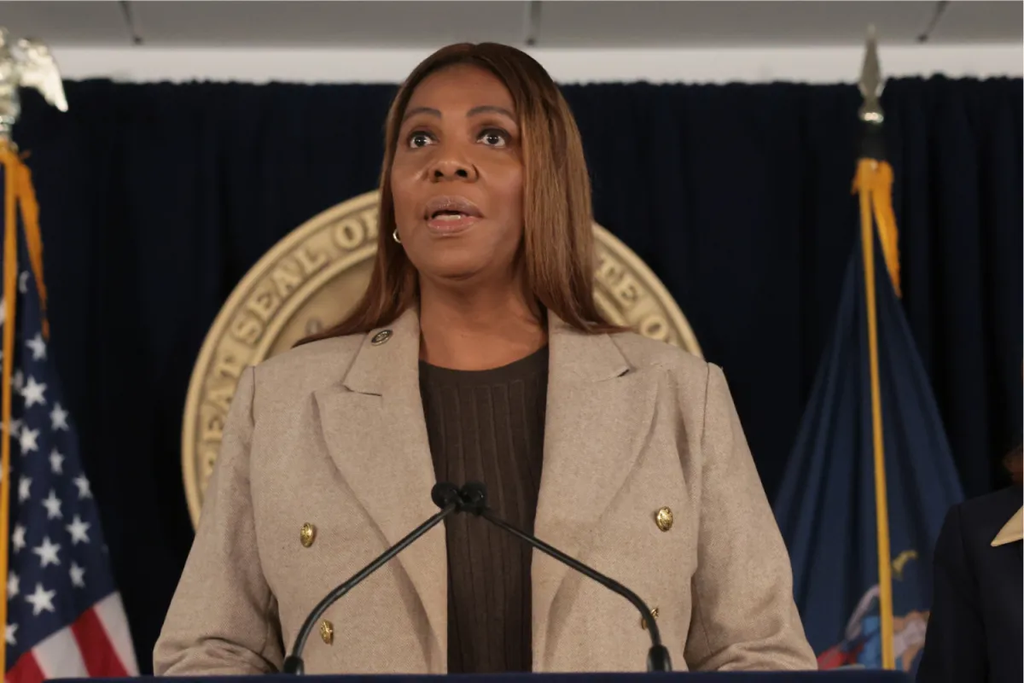
New York Governor Kathy Hochul appointed James as special prosecutor on October 1, 2026, after expressing serious concerns about the handling of the original investigation. The decision followed renewed scrutiny of how university police and the Tompkins County District Attorney’s Office had investigated the allegations.
The initial investigation did not result in criminal charges. However, later reporting and information presented in the woman’s civil lawsuit raised new questions about whether investigators had adequately reviewed her statements and other relevant evidence. The controversy prompted renewed calls for an independent examination of the case.
Hochul said the appointment was intended to restore confidence in the investigation and ensure that the evidence received proper attention. James’s office was tasked with taking a fresh look at the matter rather than simply relying on the conclusions reached during the earlier investigation.
Appointing a special prosecutor does not establish that the accused individuals committed a crime. Instead, it changes who is responsible for evaluating the evidence and deciding what legal steps may be appropriate. The central task is to determine whether the available evidence supports criminal charges under New York law.
The allegations concern an incident said to have occurred at a Chi Phi fraternity house in October 2024. According to the woman’s civil complaint, she was given alcohol and drugs, including ketamine, before being sexually assaulted by fraternity members. These are allegations contained in legal filings, not findings of criminal guilt.
The woman reported the incident to Cornell University Police. Questions later emerged about how her account was documented, which evidence was examined, and why the local district attorney initially declined to bring charges. Reporting on the case has highlighted disputes about the interpretation of her statements and the completeness of the initial investigation.
Cornell also conducted an internal disciplinary process. The fraternity chapter was closed, and university disciplinary actions were taken against some students. Those institutional measures are separate from a criminal prosecution, which requires the government to establish the elements of an offence under the applicable legal standard.
The case received renewed attention in September 2026, when the woman filed a civil lawsuit against several individuals and organisations, including Cornell University and the fraternity. The lawsuit brought additional allegations and questions about institutional responsibility into the public discussion. The civil case and criminal investigation are distinct proceedings, and their outcomes may differ because they address different legal questions.
The discussion surrounding what Letitia James has said about the Cornell case extends beyond the allegations themselves. Her September 28 statement prompted questions about the balance between showing compassion for an alleged victim and maintaining the appearance of neutrality when an investigation is still underway.
Supporters of James’s approach argue that public officials can acknowledge the seriousness of sexual assault allegations without declaring anyone guilty. From this perspective, expressing support for someone who reports sexual violence does not necessarily prevent a prosecutor from evaluating evidence objectively. They also argue that survivors should be able to seek help without feeling dismissed or ignored.
Critics, however, contend that prosecutors must exercise particular care when speaking publicly about cases they may later handle. They argue that statements characterising an alleged experience as horrific or unacceptable could be interpreted as concluding before the facts have been established. This concern has become especially relevant because James was appointed special prosecutor shortly after making her post.
Ultimately, the important distinction is between supporting a person who reports an alleged crime and determining whether a particular defendant is legally responsible. A fair investigation must preserve both principles: taking allegations seriously and protecting the rights of everyone involved. James’s handling of the case will be judged in part by whether her office follows those standards throughout the proceedings.
One of the central questions is whether investigators adequately examined the woman’s original statements, witness accounts, communications, and other potentially relevant evidence. Reports about the case have raised concerns about discrepancies between the information available to investigators and the conclusions reached during the initial inquiry.
The investigation may also need to examine communications among individuals who were present before, during, or after the alleged incident. Digital messages can provide context, but they must be authenticated and interpreted carefully. A message may be relevant to establishing a timeline or understanding someone’s actions without independently proving every allegation made in a criminal complaint.
Another important issue involves consent and intoxication under New York law. Alcohol or drug consumption does not automatically establish whether sexual activity was consensual. Investigators must consider the person’s condition, the surrounding circumstances, witness testimony, and other admissible evidence when assessing whether the legal elements of an offence have been met.
The prosecution must also respect the legal rights of the accused. If charges are brought, the government will need to establish the alleged offences according to the applicable legal standards. The investigation’s purpose is not to confirm an existing public narrative but to determine what the evidence supports.
The controversy has renewed discussion about how universities respond when students report sexual assault. Colleges must have procedures for receiving complaints, documenting statements, preserving evidence, and providing appropriate support. Delays, unclear communication, or incomplete records can undermine confidence in these systems, even before a court determines whether a crime occurred.
Cornell’s handling of the matter has also raised questions about the relationship between campus disciplinary proceedings and criminal investigations. Universities can address violations of their own conduct policies, while law enforcement agencies investigate potential criminal offences. These processes serve different purposes and can reach different conclusions because they apply different standards and procedures.
For students, one practical lesson is the importance of knowing where to report an incident and how to access confidential or independent support. Universities should clearly explain available medical care, counselling, reporting options, and procedures for preserving potentially relevant evidence. These resources should be accessible without making promises about the outcome of a complaint.
The case also demonstrates why transparent communication matters. Institutions should explain their procedures and responsibilities without disclosing protected information or compromising an investigation. Public trust depends not only on the outcome but also on whether the process is fair, understandable, and properly documented.
Following James’s appointment, the investigation is expected to focus on reviewing existing records, examining evidence, interviewing relevant witnesses, and determining whether further investigative steps are necessary. The scope and timing of those steps will depend on the evidence available and the requirements of New York law.
The appointment has also faced legal challenges. One of the men named in the civil lawsuit has sought James’s removal, arguing that her earlier public statement raises concerns about impartiality. That argument is a legal challenge, not a determination that James has acted improperly. Any decision about her role must be assessed through the appropriate legal process.
The renewed investigation could lead to additional prosecutorial decisions, but its eventual outcome remains uncertain. Authorities may determine that the evidence supports criminal charges, or they may conclude that the legal requirements for prosecution have not been met. Neither possibility should be treated as predetermined.
For readers following the story, the most useful approach is to distinguish confirmed procedural developments from allegations, commentary, and predictions. Official statements, court filings, and reliable reporting can help clarify what has changed and what remains unresolved. As the case progresses, new evidence or legal decisions may significantly affect the public understanding of the events.
What has Letitia James said about the Cornell case?
On September 28, 2026, James expressed support for the woman who reported the alleged assault, describing what she had been forced to endure as “horrific and unacceptable.” She later said her approach to the investigation would be guided by the facts and the law.
Why was Letitia James appointed special prosecutor?
New York Governor Kathy Hochul appointed James on October 1, 2026, following concerns about how the original investigation had been handled. The appointment placed James in charge of a renewed criminal investigation into the allegations.
What are the allegations in the Cornell case?
A former Cornell student identified as Jane Doe alleges that she was drugged and sexually assaulted by members of the Chi Phi fraternity in October 2024. The allegations have led to a civil lawsuit and renewed criminal scrutiny. The accused individuals have not been convicted of the alleged offences.
Why are people questioning James’s impartiality?
Critics have pointed to her public expression of support for the alleged victim before she was appointed special prosecutor. They argue that prosecutors should avoid statements that could appear to prejudge a case. Supporters maintain that expressing concern for an alleged victim does not necessarily prevent an impartial investigation.
Has the Cornell case reached a final legal outcome?
No outcome in the criminal investigation has been established in the developments discussed here. The investigation remains subject to further review, and the allegations must be evaluated through the appropriate legal process. Readers should consult current court records and official announcements for subsequent developments.
Understanding what Letitia James has said about the Cornell case requires looking at both her public comments and her responsibilities as special prosecutor. Her expression of support for the woman who reported the alleged assault has become a point of debate, particularly because the investigation requires impartiality and careful consideration of the evidence.
The case also raises broader questions about university accountability, campus safety, and the handling of sexual assault allegations. As the investigation continues, the most important developments will be those established through evidence, official decisions, and the legal process. A fair outcome requires taking allegations seriously while respecting the rights of everyone involved.