
 11

The phrase “Letitia James to investigate Cornell rape” has attracted attention because of important questions surrounding sexual assault allegations, university accountability, and the criminal justice system. The case involves allegations connected to Cornell University in Ithaca, New York, and has renewed discussions about how universities and law enforcement handle serious complaints.
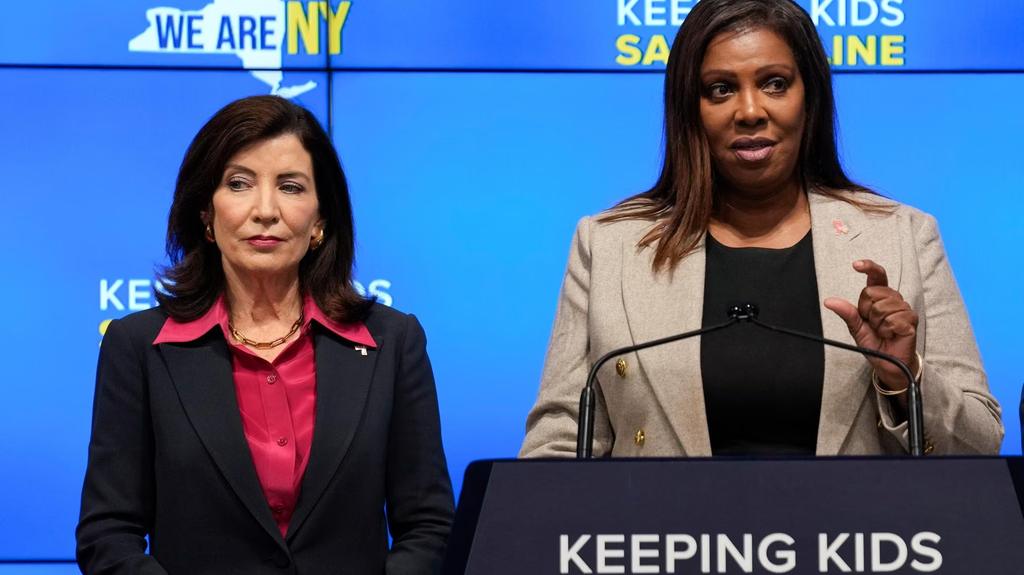
New York Attorney General Letitia James was appointed special prosecutor by Governor Kathy Hochul on October 1, 2026, to investigate allegations involving an incident reported in October 2024. The appointment brought renewed attention to the case and the questions surrounding its earlier handling.
It is important to distinguish allegations from facts. An investigation does not establish guilt, and any conclusions must depend on evidence and the applicable legal process.
Governor Kathy Hochul appointed Letitia James as special prosecutor to examine allegations involving an alleged sexual assault at Cornell University. The decision followed renewed scrutiny of the case and questions about the earlier investigation.
The appointment gives the attorney general’s office authority to review relevant evidence, examine witness accounts, and determine whether criminal charges are justified. The investigation must follow New York law and the applicable standards for criminal prosecution.
The decision also highlights the importance of public confidence in the justice system. When serious questions arise about an earlier investigation, an independent review can help clarify what happened and whether further legal action is appropriate.
However, appointing a special prosecutor does not mean that criminal charges have automatically been filed. The outcome will depend on the evidence and the prosecutor’s assessment of whether the legal requirements for prosecution can be met.
The allegations concern an incident reportedly involving a former Cornell student at the Chi Phi fraternity house in October 2024. The student, identified in legal proceedings as Jane Doe, alleges that she was drugged and sexually assaulted by multiple men.
The allegations led to university disciplinary proceedings and a civil lawsuit. The case has attracted public attention because of questions about the alleged incident, the university’s response, and the handling of the original investigation.
According to reporting about the case, Cornell conducted its own disciplinary review and imposed different consequences on students involved in the proceedings. The fraternity chapter was also closed. University disciplinary actions, however, are separate from criminal prosecution.
The former student filed a civil lawsuit against Cornell University and seven men. The lawsuit raises questions about the alleged assault and the university’s response. The defendants’ circumstances and positions differ, and allegations in a civil complaint should not be treated as proof of criminal guilt.
The renewed investigation aims to examine the available evidence and determine whether further criminal proceedings are warranted. Until investigators reach conclusions, it is essential to avoid presenting disputed allegations as facts.
A criminal investigation determines whether evidence supports the conclusion that a crime occurred and whether a particular individual can legally be held responsible. Investigators may examine witness statements, electronic communications, forensic material, and other relevant information.
A university investigation serves a different purpose. It examines whether conduct violated institutional policies and determines whether disciplinary measures are appropriate. Universities may impose disciplinary consequences even when criminal charges have not been filed.
Civil lawsuits are different again. They allow individuals to seek legal remedies, including compensation, when they believe they have suffered harm. Civil proceedings follow their own rules and standards of proof.
These processes can occur simultaneously, but their outcomes are not interchangeable. A university disciplinary decision does not automatically establish criminal guilt, and the filing of a civil lawsuit does not prove every allegation contained in it.
Understanding these distinctions helps readers follow the Letitia James to investigate Cornell rape story without confusing allegations, institutional decisions, and criminal findings.
The Cornell case has renewed discussions about how universities can improve campus safety and respond to sexual misconduct complaints. Institutions have a responsibility to maintain clear reporting procedures and ensure students know where to seek assistance.
Universities should provide information about reporting options, emergency support, counselling resources, and the process for making formal complaints. Students should be able to access this information without unnecessary confusion or barriers.
Effective campus safety also requires appropriate coordination between university officials and law enforcement. Institutions need procedures for preserving evidence, referring matters to the relevant authorities, and protecting confidential information where required by law.
Prevention is equally important. Consent education, bystander intervention training, responsible management of student events, and clear expectations for fraternities and other student organisations can help reduce risks.
Universities should also review their policies regularly. When an investigation identifies weaknesses in existing procedures, institutions should take credible findings seriously and consider practical improvements.
Consent is a central issue in sexual assault investigations. Investigators must consider the circumstances of an incident, the individuals involved, their ability to consent, and the relevant legal requirements.
Alcohol or drugs can complicate these cases. The legal assessment may depend on a person’s level of impairment, the surrounding circumstances, and other evidence. Investigators must examine the available facts rather than rely on assumptions.
Evidence may include witness testimony, messages, photographs, medical records, security footage, or statements made during earlier interviews. The evidence available varies from case to case, and every item must be evaluated for reliability and relevance.
Fairness is essential throughout the process. People reporting sexual violence deserve respectful treatment and appropriate support. At the same time, accused individuals are entitled to due process, and conclusions about criminal responsibility must be based on evidence.
The investigation also raises broader questions about whether existing laws adequately address situations involving severe intoxication and consent. Any changes to New York law would require the appropriate legislative process.
The investigation could have implications for Cornell University, depending on its findings. It may clarify questions about the earlier handling of the allegations or identify issues that require further legal examination.
For the university, the case provides an opportunity to review how complaints are handled, how students receive support, and how campus officials coordinate with external authorities. Any improvements should be guided by verified findings rather than speculation.
Other colleges may also examine their own procedures in response to the wider discussion. Clear reporting channels, consistent disciplinary standards, effective prevention programs, and appropriate oversight of student organisations are important elements of campus safety.
Accountability requires more than public statements. Institutions must respond appropriately to substantiated concerns, communicate their procedures clearly, and take meaningful action when reviews identify shortcomings.
Nevertheless, the investigation’s outcome remains uncertain. Any conclusions about individual responsibility or institutional failures should be based on the evidence and the findings of the relevant proceedings.
The Letitia James investigation into the Cornell rape case highlights important questions about sexual assault allegations, university accountability, and the criminal justice system. The appointment of a special prosecutor has renewed attention to an incident reported in 2024 and the handling of the case.
As the investigation proceeds, the priority should be a careful examination of the evidence, respect for everyone involved, and adherence to the law. The process may clarify outstanding questions, but its conclusions must emerge through fair and appropriate legal proceedings.
The broader lesson for universities is the importance of transparent procedures, accessible student support, and effective responses to serious complaints. Strong campus safety policies and independent scrutiny can help build trust while protecting the rights of everyone involved.
Why is Letitia James investigating the Cornell case?
New York Governor Kathy Hochul appointed Letitia James as special prosecutor in October 2026 to investigate allegations involving an alleged sexual assault at Cornell University.
When did the alleged incident occur?
The alleged incident reportedly occurred in October 2024 at the Chi Phi fraternity house at Cornell University.
Have criminal charges been filed?
The appointment of a special prosecutor does not automatically mean charges have been filed. Any prosecution will depend on the evidence and applicable law.
What role does Cornell University play in the case?
Cornell conducted university disciplinary proceedings and has faced scrutiny over its handling of the allegations. These proceedings are separate from the criminal investigation.
Why is the investigation important?
The investigation may clarify questions about the allegations and their earlier handling. It also highlights the importance of campus safety, fair investigations, student support, and institutional accountability.