
 11
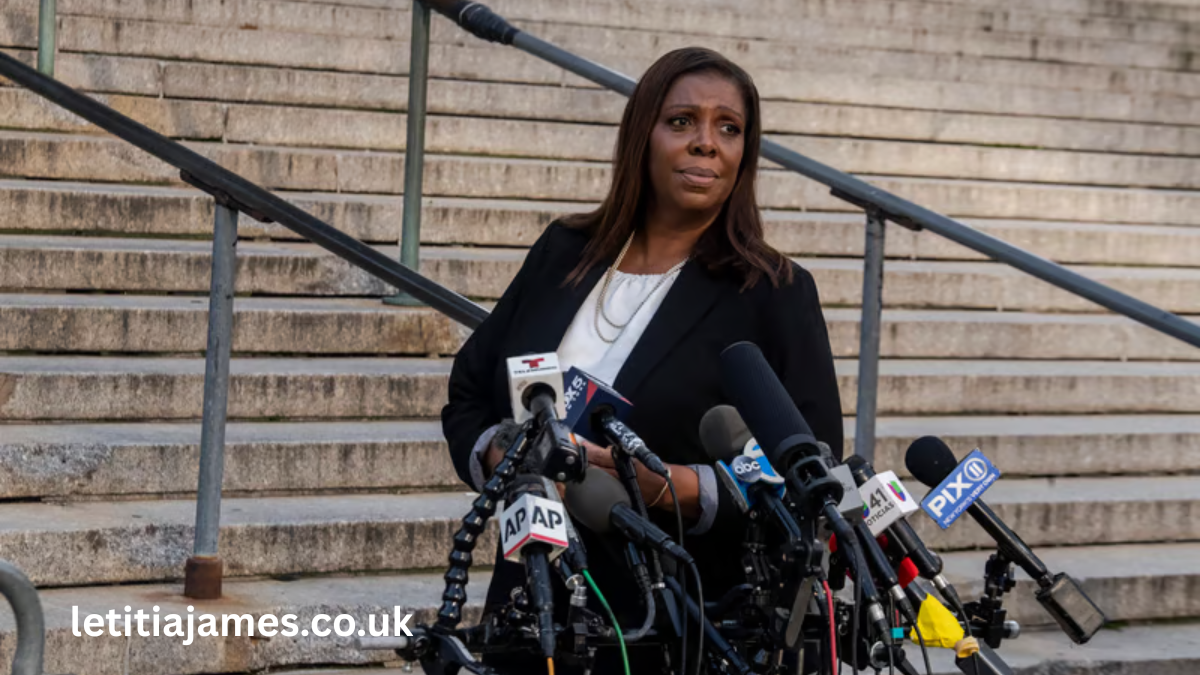
The phrase Letitia James subpoenaed has attracted attention because of the New York attorney general’s prominent role in high-profile legal disputes and national political debates. Letitia James Subpoenaed is a major figure in American law, known for overseeing investigations, pursuing civil enforcement actions, and defending the interests of New York residents. When news reports mention a subpoena involving a public official, questions naturally arise about the investigation, the legal process, and its possible consequences.
Understanding this subject requires separating verified facts from political commentary and speculation. A subpoena is a formal legal demand for documents, testimony, or other evidence, but it does not automatically mean that someone has committed a crime. The circumstances surrounding any reported subpoena must be examined carefully, including which authority issued it, what information was requested, and what legal issues remain unresolved.
Letitia James Subpoenaed is an American attorney and politician who became New York’s attorney general in January 2019. She made history as the first woman elected to the position and the first Black person to serve as New York’s attorney general. Before taking statewide office, she served as New York City’s public advocate and represented Brooklyn’s 35th City Council district.
As attorney general, James leads the state’s Department of Law and oversees a broad range of responsibilities. These include consumer protection, civil rights enforcement, environmental litigation, public corruption investigations, and legal actions involving businesses and government entities. Her office also represents New York in legal disputes and works to enforce state laws.
James became nationally recognised through several major legal cases, including civil litigation involving former President Donald Trump and his business organisation. These cases generated extensive media coverage and sharp political disagreements. Consequently, developments involving her office frequently receive attention beyond New York, making accurate reporting particularly important.
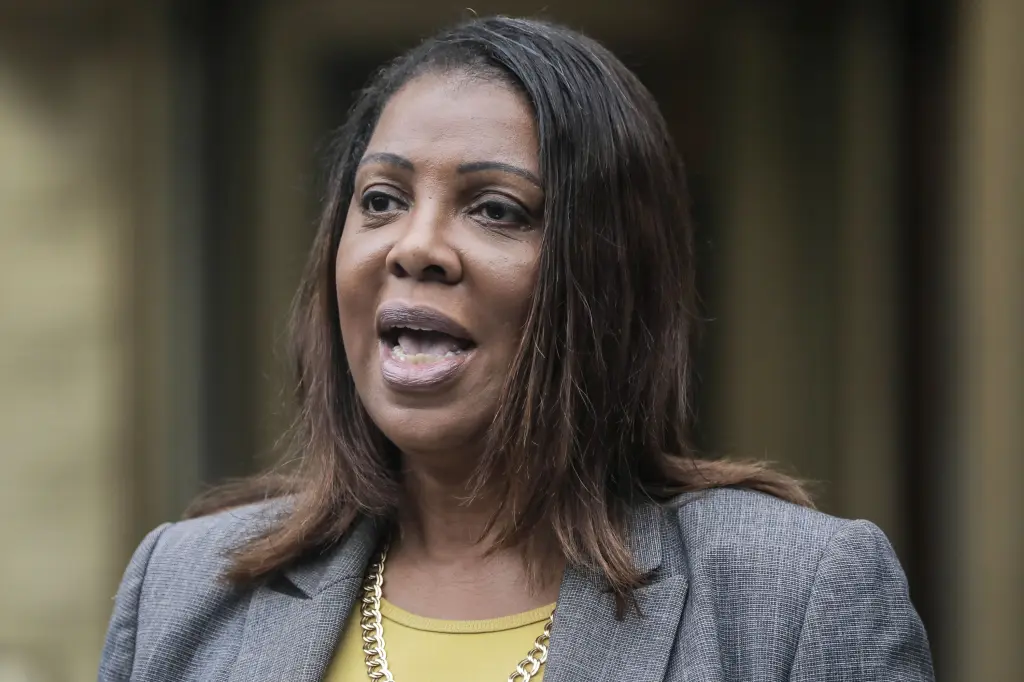
A subpoena is a legal document that requires a person or organisation to provide evidence, produce records, or appear to give testimony in a proceeding. Courts, prosecutors, government agencies, and authorised investigators may issue subpoenas, depending on the applicable law and circumstances. The recipient must generally respond according to the document’s requirements unless a valid legal objection or other applicable protection changes that obligation.
When a report uses the phrase Letitia James subpoenaed, readers should first determine whether James personally received a subpoena or whether investigators subpoenaed records connected to her office, another individual, or an organisation. These situations are materially different. A subpoena directed to an office may seek official correspondence or administrative records without requiring the officeholder to testify personally.
It is also essential to distinguish a subpoena from an arrest warrant, criminal charge, or judicial finding. A subpoena is primarily an evidence-gathering tool. Its issuance does not establish guilt, prove wrongdoing, or demonstrate that investigators have concluded. The significance of any subpoena depends on its legal basis, scope, and the evidence obtained through the process.
James occupies a powerful statewide position, and her office has pursued cases involving influential individuals and large organisations. Actions taken by a state attorney general can affect corporate practices, public policy, consumer rights, and political debate. This makes developments involving her professional conduct or official responsibilities a subject of considerable public interest.
Her legal work involving Donald Trump and his business interests has contributed to intense scrutiny. Supporters have described such enforcement efforts as accountability under the law, while critics have questioned their motivations and fairness. These competing interpretations illustrate why readers should distinguish legal documents and court findings from statements made by political figures or commentators.
Public scrutiny does not eliminate the need for evidence-based reporting. If a subpoena involving James is reported, the relevant questions include who authorised it, which legal authority supports it, what conduct or records are under examination, and whether a court has ruled on any disputed issues. Answers to these questions offer a more reliable understanding than headlines that emphasise political conflict alone.
One important development behind the phrase Letitia James subpoenaed involves federal subpoenas issued in August 2025. The subpoenas sought records connected to James’s civil lawsuits against Donald Trump, his family business, and the National Rifle Association. The matter became a significant legal dispute because it raised questions about the authority of the prosecutor overseeing the investigations and the proper use of federal investigative powers.
On August 21, 2026, the U.S. Court of Appeals for the Second Circuit upheld a ruling blocking enforcement of the subpoenas. According to Reuters, the court found that John Sarcone, who was overseeing the investigations, was unlawfully serving as the lead prosecutor because of procedural problems with his appointment. The ruling concerned the prosecutor’s legal authority rather than establishing whether the underlying allegations against James were true or false. <Entity value=” Reuters” category=” organisation” disambig=” International news agency”/> reported that the Justice Department planned to appeal the decision.
The distinction matters when evaluating the case. A court decision preventing subpoenas from being enforced does not automatically resolve every question connected to an investigation. Instead, it addresses the specific legal issues presented before the court. Readers following this dispute should check subsequent court filings and official statements to understand whether further appeals or procedural developments have changed the situation. <Entity value=” CBS News” category=” organisation” disambig=” American television and digital news organisation”/> also reported on the appeals court’s ruling and the appointment issue.
Subpoenas are widely used in American legal proceedings because investigators often need access to records that cannot be obtained through public sources alone. Emails, financial documents, contracts, and official communications can help establish timelines, clarify decisions, or determine whether additional investigation is justified. However, the authority issuing a subpoena must comply with applicable legal requirements.
Due process is particularly important when an investigation involves a public official. Investigators must operate within their lawful authority, while the person or organisation receiving a subpoena may challenge its scope or validity through appropriate legal channels. Courts serve an important role in resolving these disputes and determining whether investigative measures comply with the law.
For the public, the central lesson is that legal accountability applies to both investigators and those being investigated. A subpoena should not be treated as proof of misconduct, just as a procedural ruling should not be interpreted as a universal determination of innocence. Understanding the precise issue decided by a court helps readers avoid drawing conclusions that the evidence does not support.
Anyone researching the topic should begin with reliable reporting and primary legal documents. News coverage can explain complicated developments in accessible language, while court opinions provide the details needed to understand what judges actually decided. Comparing these sources can help readers distinguish facts from political claims.
The New York Attorney General’s official website is another useful resource for statements and announcements from James’s office. Federal court records can provide information about motions, appeals, and judicial decisions. Readers should pay attention to publication dates because an older article may describe an investigation before a significant court ruling changed its status.
It is equally important to examine headlines critically. Search results may combine different investigations, use the word subpoenaed without explaining who received the document, or emphasise allegations without mentioning later judicial decisions. Looking for the issuing authority, the purpose of the subpoena, and the latest court action provides a more complete picture of the situation.
Why was Letitia James subpoenaed?
Federal subpoenas issued in August 2025 sought records connected to James’s civil lawsuits against Donald Trump, his family business, and the National Rifle Association. In August 2026, a federal appeals court upheld a ruling blocking enforcement of those subpoenas because of concerns about the lead prosecutor’s appointment.
Does being subpoenaed mean Letitia James committed a crime?
No. A subpoena is a legal demand for evidence or testimony, not a criminal conviction or proof of wrongdoing. Its significance depends on the investigation, the information requested, and any subsequent legal findings.
What did the appeals court decide in August 2026?
The Second Circuit upheld a ruling blocking the federal subpoenas, finding that John Sarcone was unlawfully serving as the lead prosecutor because of procedural irregularities in his appointment. The decision addressed the prosecutor’s authority, not a final determination of the underlying allegations against James.
Is a subpoena the same as a criminal charge?
No. A subpoena generally requires someone to provide documents, testimony, or other evidence. A criminal charge formally accuses someone of an offence, while a conviction requires a legal determination of guilt under the applicable standard of proof.
Where can readers find reliable updates about the case?
Readers can consult Reuters, CBS News, federal court opinions, and the official New York Attorney General website. Checking publication dates and reviewing primary legal documents can help clarify the latest developments and distinguish verified information from speculation.
The subject of Letitia James Subpoenaed highlights the importance of understanding how investigations, subpoenas, and judicial review work in the American legal system. The federal subpoena dispute attracted attention because it involved records related to prominent civil lawsuits and raised questions about prosecutorial authority. The Second Circuit’s August 2026 ruling blocking enforcement of the subpoenas was an important procedural development, but its scope should not be overstated.
For readers, the best approach is to follow verified reporting, consult court decisions, and distinguish allegations from established findings. Legal controversies involving prominent public officials can become politically charged very quickly. A careful examination of the facts offers a clearer understanding of the case and supports a more informed discussion of accountability, due process, and the rule of law.