
 11
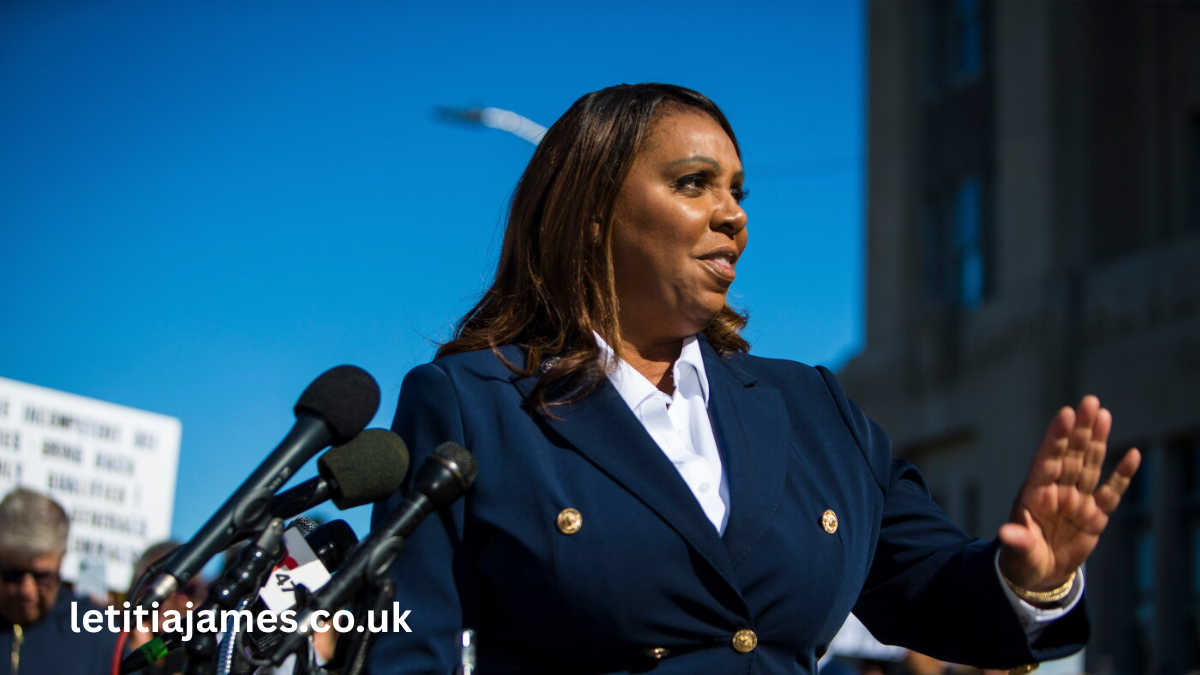
The phrase Letitia James mortgage fraud has become widely discussed because it involves a sitting New York attorney general, a federal criminal indictment, and questions about a Virginia property transaction. The case attracted additional attention because James had previously pursued a major civil fraud case against Donald Trump and the Trump Organization.
Understanding the story requires separating allegations from established facts. James was indicted in October 2025 on federal charges of bank fraud and making false statements to a financial institution. The indictment alleged that she misrepresented the intended use of a Virginia property when applying for a mortgage. An indictment, however, is an accusation rather than a finding of guilt. The U.S. Department of Justice itself noted that James was presumed innocent unless proven guilty.
The Letitia James mortgage fraud controversy also developed into a dispute over prosecutorial authority. A federal judge later dismissed the case after finding that the interim U.S. attorney who brought the indictment had been unlawfully appointed. The Justice Department appealed, and the matter remained before the Fourth Circuit in September 2026.
The allegations surrounding Letitia James mortgage fraud centered on a property in Norfolk, Virginia. Federal prosecutors claimed that James represented the property as a second home rather than an investment or rental property when obtaining financing. Prosecutors alleged that this classification resulted in more favorable mortgage terms and savings on interest.
The case therefore focused on the accuracy of information provided to a financial institution. Mortgage applications generally require borrowers to provide truthful information about matters such as occupancy, income, assets, and intended property use. When prosecutors believe materially false information was knowingly supplied to obtain financial benefits, federal bank-fraud and false-statement statutes can become relevant.
It is important, however, not to describe the allegations as an established conviction. The Letitia James mortgage fraud indictment was dismissed by a federal district judge, who concluded that Lindsey Halligan, the interim U.S. attorney responsible for obtaining the indictment, had not been lawfully appointed to that position. The dismissal concerned the legal authority of the prosecutor rather than a jury finding that James had committed the alleged conduct.
The Letitia James mortgage fraud case received unusually high attention because of James’s earlier legal action against Donald Trump. In September 2022, James filed a civil lawsuit alleging that Trump and the Trump Organization had used false and misleading financial statements to obtain economic benefits, including more favorable loan terms.
That earlier case eventually produced a major civil judgment. In February 2024, New York Supreme Court Justice Arthur Engoron ordered Trump and other defendants to pay more than $450 million, including disgorgement and prejudgment interest, while imposing restrictions on certain business activities. The ruling followed a finding that the defendants had fraudulently inflated asset values in financial statements.
The connection between the two cases became a central part of public discussion. Supporters of James pointed to the distinction between the allegations against her and the findings in the New York civil case against Trump. Critics, meanwhile, argued that the prosecution reflected political conflict. Those interpretations remain contested, so readers should distinguish documented procedural events from claims about political motivation.

The legal history of Letitia James mortgage fraud is particularly important because the criminal case did not simply proceed to trial and end with a verdict. After the indictment, James’s defense challenged the appointment of the federal prosecutor who had brought the case.
A federal district judge agreed with the challenge and dismissed the indictment. The ruling focused on whether Lindsey Halligan had been lawfully appointed as interim U.S. attorney for the Eastern District of Virginia. According to reporting on the case, Halligan had replaced another interim prosecutor and subsequently obtained the indictments against James and former FBI Director James Comey.
The Justice Department appealed the dismissal. In September 2026, the Fourth Circuit heard arguments concerning whether the appointment was valid. Reuters reported that the appellate judges appeared skeptical of the government’s attempt to revive the prosecutions, although the court had not issued a final decision at the time of the September 15 hearing.
The Letitia James mortgage fraud allegations also highlight why occupancy information can matter in real estate financing. Mortgage lenders evaluate risk based partly on how a borrower intends to use a property. A primary residence, second home, and investment property can involve different underwriting assumptions, loan products, interest rates, and eligibility requirements.
For an ordinary borrower, the lesson is straightforward: mortgage applications should contain accurate information. A borrower should not describe a property as a primary residence or second home if that statement does not reflect the actual intended use. Even seemingly minor differences can matter when a lender is deciding whether to approve financing or what terms to offer.
The controversy also demonstrates why legal terminology matters. “Mortgage fraud” is not simply another phrase for an incorrect form. Criminal liability generally requires the government to establish the elements of the relevant offense, including the required mental state. In the James case, the allegations were made in an indictment, but the case was dismissed before a trial determination of guilt.
As of September 2026, the Letitia James mortgage fraud prosecution remained tied to the Justice Department’s appeal of the dismissal. The Fourth Circuit heard oral arguments on September 15, 2026, regarding the legality of Halligan’s appointment. The appellate court’s eventual ruling will determine whether the government’s effort to revive the prosecution can continue.
That means it would be inaccurate to present the matter as a completed criminal conviction. The district court dismissed the indictment, while the government challenged that decision on appeal. Readers following the story should therefore pay attention to actual court orders rather than headlines that characterize allegations as established wrongdoing.
The broader story also illustrates how complicated politically prominent legal cases can become. A case can involve the underlying allegations, questions about evidence, disputes over prosecutorial authority, constitutional issues, and appeals. Each issue has to be evaluated separately rather than treated as one conclusion.
The Letitia James mortgage fraud story combines real-estate lending rules with a significant dispute over federal prosecution. The original allegations concerned statements allegedly made during a mortgage transaction involving a Virginia property. James denied wrongdoing, and the criminal indictment did not result in a trial verdict before being dismissed.
The procedural history is equally significant. The district court’s dismissal was based on the appointment of the prosecutor who secured the indictment, while the Justice Department sought appellate review. In September 2026, the Fourth Circuit heard arguments on that issue, meaning the legal dispute was not necessarily finished.
Ultimately, the Letitia James mortgage fraud case is best understood by separating three things: the allegations contained in the indictment, the court’s procedural ruling dismissing the prosecution, and the government’s continuing appeal. Keeping those categories separate makes it easier to understand what has actually been established and what remains disputed.
What is the Letitia James mortgage fraud case about?
The case involved allegations that James provided inaccurate information about the intended use of a Virginia property when obtaining a mortgage. Federal prosecutors charged her with bank fraud and making false statements to a financial institution.
Was Letitia James convicted of mortgage fraud?
No. The federal indictment was dismissed by a district court before a trial verdict. The Justice Department appealed the dismissal, and the Fourth Circuit heard arguments concerning the case in September 2026.
Why was the case dismissed?
The district court ruled that Lindsey Halligan, the interim U.S. attorney who obtained the indictment, had been unlawfully appointed. The government subsequently appealed that ruling.
Is the mortgage case connected to Donald Trump?
The cases are legally separate, but they became politically connected because James previously brought a civil fraud case against Trump and the Trump Organization. That New York case resulted in a substantial civil judgment in 2024.
What should homeowners learn from the case?
Homeowners and mortgage applicants should provide accurate information about property use, finances, occupancy, and other material details. If circumstances change, borrowers should communicate with their lender and keep appropriate documentation rather than relying on informal assumptions.