
 11

The Letitia James mortgage fraud case became a closely watched legal story after federal prosecutors accused New York Attorney General Letitia James of making false statements connected to a Virginia home loan. The case drew unusual attention because James had previously brought a major civil fraud action against Donald Trump and the Trump Organisation. Understanding the story requires separating the criminal allegations, the court rulings, and the political debate surrounding them.
At its core, the Letitia James mortgage fraud case involved a 2020 mortgage application for a property in Norfolk, Virginia. Prosecutors alleged that James represented the property as a second home while later treating it as an investment property. James pleaded not guilty and denied wrongdoing.
The matter also became a lesson in how federal criminal cases can turn on procedure as well as the underlying allegations. In November 2025, a federal judge dismissed the indictment after finding that the interim U.S. attorney who brought the case had been unlawfully appointed. The dismissal did not amount to a finding that the underlying allegations had been proven false; it addressed the legal authority of the prosecutor who initiated the case.
The central allegation in the Letitia James mortgage fraud case concerned information supplied to a lender when James purchased the Norfolk property. Prosecutors alleged that she described the property as a second residence, a classification that could affect mortgage terms, while the government later argued that she used it as an investment property.
James disputed the government’s interpretation. Reporting at the time said her legal team maintained that the property was used by family members and that the government had overstated the financial benefit involved. She entered a not-guilty plea in October 2025, preserving her position that she had committed no crime.
That distinction matters when discussing the Letitia James mortgage fraud case because an indictment is an accusation, not a conviction. A federal grand jury’s decision to issue an indictment means prosecutors obtained enough support under the grand-jury standard to bring charges; it does not establish guilt beyond a reasonable doubt.
The allegations also became intertwined with James’s earlier legal battle involving Trump. In 2022, James’s office sued Trump and other defendants, alleging that financial statements were fraudulently inflated to obtain economic benefits. A 2024 New York trial-court judgment found Trump and other defendants liable for fraud. That separate civil case is important context, but it should not be confused with the later federal criminal allegations against James.
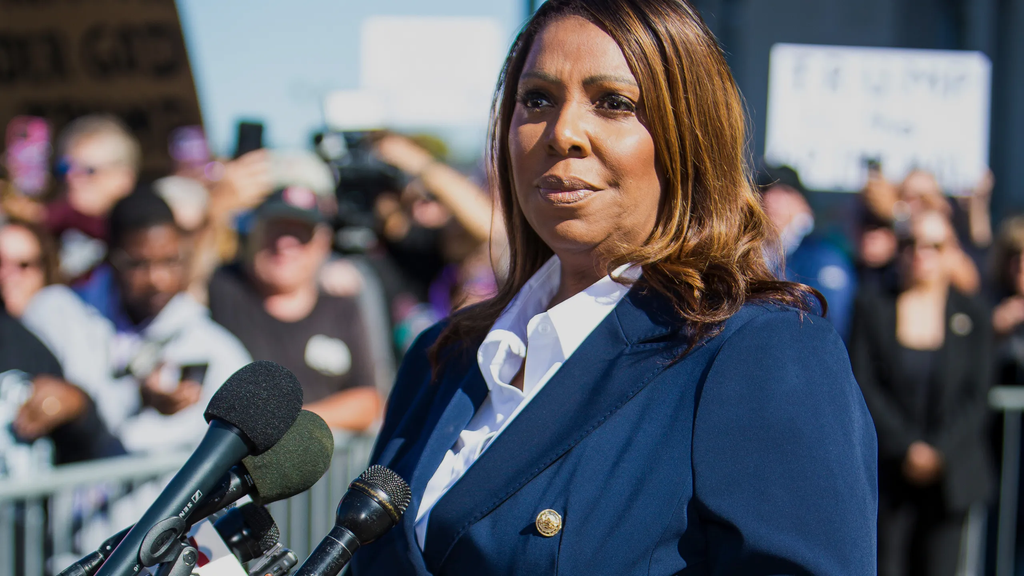
One of the most important developments in the Letitia James mortgage fraud case came on November 24, 2025. U.S. District Judge Cameron McGowan Currie dismissed the indictment after concluding that Lindsey Halligan, the interim U.S. attorney who presented the case, had been unlawfully appointed.
The ruling focused on the authority of the prosecutor rather than deciding whether James had committed mortgage fraud. According to contemporaneous reporting, the dismissal was without prejudice, leaving open the possibility that prosecutors could try to bring the matter again through a properly authorised prosecutor.
This procedural issue is central to understanding the Letitia James mortgage fraud case. Criminal prosecutions depend on valid legal authority at every stage. If an official lacks the authority required by federal law, actions taken under that authority can be challenged even when the underlying allegations have not been resolved.
The dismissal therefore should not be described as a trial acquittal. There was no jury verdict finding James guilty or not guilty on the mortgage allegations. Instead, the indictment was thrown out because of a legal defect involving the prosecutor’s appointment. That distinction is easy to lose in fast-moving political coverage, but it is essential for an accurate account.
The Letitia James mortgage fraud case did not immediately end when the first indictment was dismissed. The Justice Department attempted to pursue a new indictment, and a federal grand jury in Virginia declined to indict James on December 4, 2025, according to multiple news reports.
A second grand jury also declined to indict James on December 11, 2025. These developments meant prosecutors did not obtain a new indictment after the original case was dismissed. Grand jury proceedings are secret, so the public generally cannot see exactly what evidence jurors considered or why they declined to issue an indictment.
The repeated attempts made the Letitia James mortgage fraud case especially unusual. The first indictment had already been dismissed for a procedural reason, while subsequent grand juries did not return a new indictment. That sequence is different from a criminal trial ending with a verdict, and it is important not to describe a grand jury rejection as an acquittal.
The legal status of a case can also change over time. In September 2026, Reuters reported that a federal appeals court heard the Justice Department’s effort to revive the prosecution, with judges examining the legal issues surrounding the appointment of the prosecutor who brought the original charges. The outcome of that appellate proceeding was still pending in the reporting available at that time.
The Letitia James mortgage fraud case is often discussed alongside James’s civil fraud lawsuit against Donald Trump, but the two matters involve different defendants, courts, legal theories, and allegations.
James’s 2022 New York lawsuit accused Trump, members of his family, and Trump Organisation entities of submitting false financial statements that allegedly inflated asset values and affected loans, insurance, and other financial benefits. In February 2024, Justice Arthur Engoron issued a civil judgment finding the defendants liable for fraud and ordering substantial financial relief.
An appellate ruling in 2025 continued to uphold significant parts of the civil case while modifying aspects of the monetary relief. New York court records show that the Trump defendants later withdrew their appeal from the First Department in September 2026. The New York courts’ record should be read separately from the federal criminal proceedings involving James herself.
The connection between the cases is nevertheless part of the public discussion surrounding the Letitia James mortgage fraud case. James has argued that the criminal prosecution was politically motivated, while supporters of the prosecution have characterised it as an ordinary enforcement matter. Those are competing interpretations, not findings that should be treated as facts without attribution.
Mortgage fraud generally involves materially false information or deceptive conduct used to obtain a mortgage or influence a lender’s decision. Not every mistake on a loan application automatically becomes criminal fraud. Prosecutors generally must establish the elements of the offence charged, including the required intent.
The Letitia James mortgage fraud case illustrates why details matter. A dispute over how a property was classified, who used it, or what the borrower intended can become legally significant if prosecutors claim the information was knowingly false and materially affected the lender.
For consumers, the broader lesson is practical. Mortgage applications should accurately describe occupancy, intended use, ownership arrangements, income, debts, and other information requested by a lender. If circumstances change after closing, borrowers should review their loan documents and seek qualified legal or financial advice before assuming a change is harmless.
The Letitia James mortgage fraud case also highlights the importance of prosecutorial authority. Federal prosecutors operate under statutes, appointment rules, and constitutional constraints. Courts can scrutinise whether officials were legally authorised to perform their roles, particularly when defendants challenge the government’s authority.
At the same time, the case demonstrates why readers should distinguish allegations from adjudicated facts. James was indicted in 2025, but the indictment was dismissed because of the appointment issue, and later grand juries declined to indict her. Those facts describe the procedural history without resolving every disputed question about the original allegations.
As of September 2026, the Letitia James mortgage fraud case remains part of an ongoing appellate dispute over whether the federal prosecution can be revived. The most useful way to follow developments is through court decisions and reliable reporting. Headlines can compress complicated procedural developments into a few words; court records provide the details needed to understand what was actually decided.
Frequently Asked Questions
What was the Letitia James mortgage fraud case about?
It involved federal allegations that James made false statements concerning the intended use of a Norfolk, Virginia, property when obtaining a mortgage. James denied wrongdoing and pleaded not guilty.
Was Letitia James convicted of mortgage fraud?
No. The original federal indictment was dismissed, and later grand juries declined to return a new indictment. There was no criminal trial resulting in a conviction.
Why was the first case dismissed?
A federal judge ruled that Lindsey Halligan, the interim U.S. attorney who brought the case, had been unlawfully appointed. The dismissal therefore concerned prosecutorial authority rather than a jury deciding the underlying allegations.
Is the mortgage case the same as James’s case against Donald Trump?
No. James’s action against Trump was a separate New York civil fraud proceeding. The mortgage allegations against James were brought in federal court and involved a Virginia property.
What is the latest status of the case?
The procedural history continued after the 2025 dismissal and grand-jury refusals. In September 2026, a federal appeals court heard the Justice Department’s attempt to revive the prosecution, and the outcome was still pending in the latest reporting available.