
 11
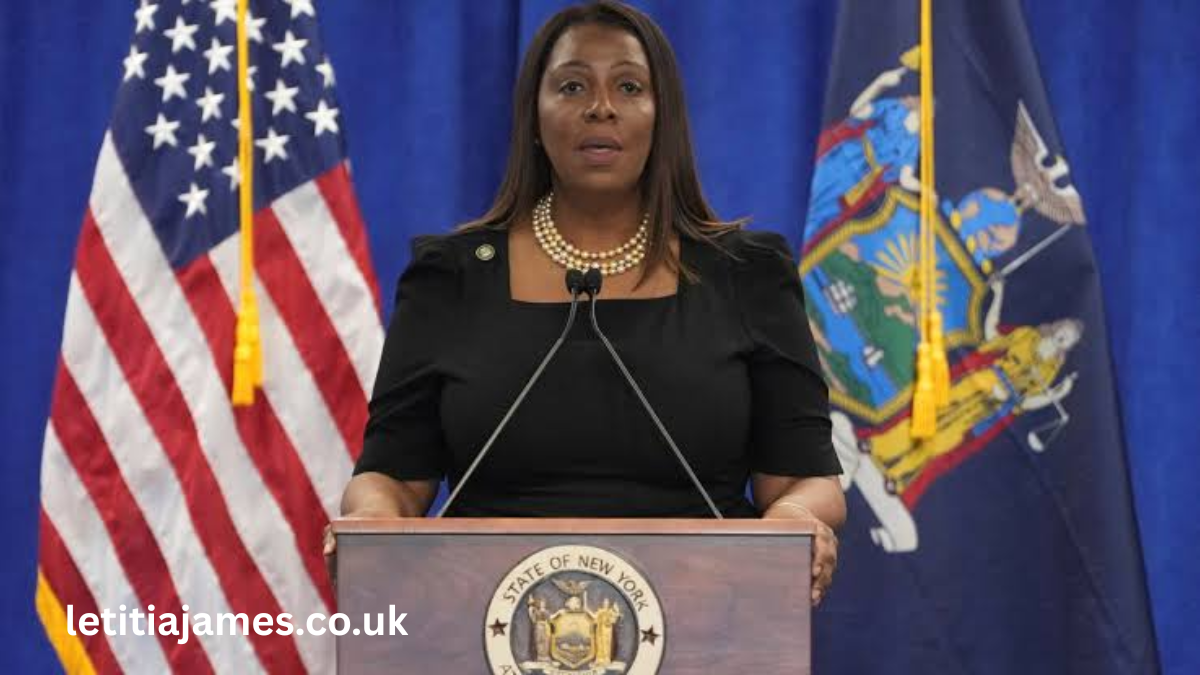
The letitia james arraignment new york attorney general case became one of the most closely watched legal stories involving a sitting state official in 2025. Letitia James, New York’s attorney general, appeared in federal court in Norfolk, Virginia, on October 24, 2025, following an indictment related to allegations involving a mortgage application. The hearing attracted national attention because James had previously become a prominent legal opponent of Donald Trump through several high-profile cases.
Understanding the letitia james arraignment new york attorney general story requires separating the original allegations from what happened afterwards. An indictment is an accusation, not a conviction, and James entered a plea of not guilty. The criminal case was later dismissed after a federal judge ruled that the prosecutor who obtained the indictment had been unlawfully appointed.
The case also became a broader discussion about prosecutorial authority, federal appointments, political tensions, and the importance of due process. Rather than focusing only on political arguments surrounding the case, it is useful to examine what actually happened in court and what the legal developments meant.
The letitia james arraignment new york attorney general story attracted unusual attention because James was not an ordinary defendant. As New York’s attorney general, she serves as the state’s chief legal officer and has been involved in major investigations and litigation. The official New York Attorney General’s Office identifies James as the 67th attorney general of New York.
Her professional history also shaped the public reaction. James had previously pursued major civil litigation involving Donald Trump and his business organisation. That history meant that the federal charges against her immediately became part of a much larger political debate. Supporters described the prosecution as politically motivated, while prosecutors maintained that the case concerned ordinary allegations of financial misconduct.
The original indictment, filed on October 9, 2025, contained two counts: bank fraud and making false statements to a financial institution. Prosecutors alleged that James misrepresented how she intended to use a Virginia property when obtaining mortgage financing. James denied wrongdoing.
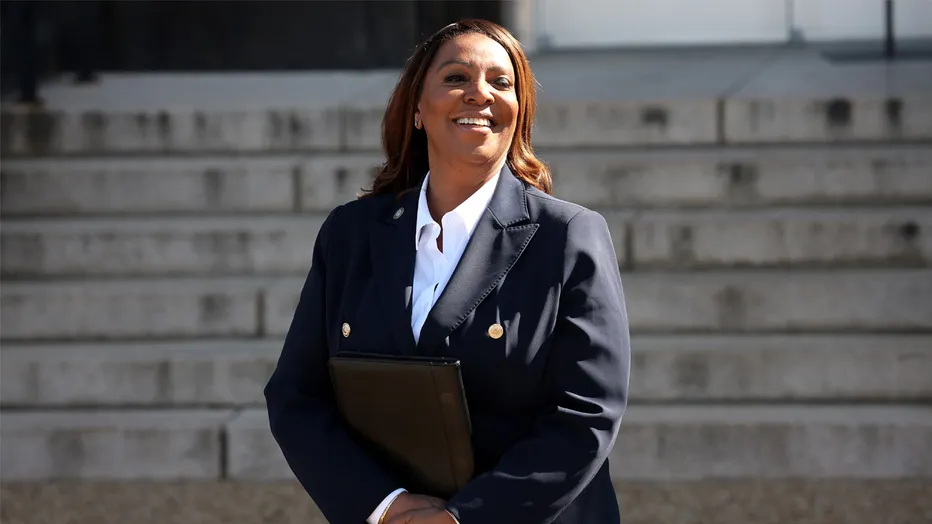
The letitia james arraignment new york attorney general proceeding took place in the U.S. District Court for the Eastern District of Virginia. Court officials had announced that the arraignment would begin at 11 a.m. on October 24, 2025, at the Walter E. Hoffman United States Courthouse in Norfolk.
During the hearing, James pleaded not guilty to both charges. Court records indicate that she waived a formal arraignment, entered her not-guilty plea, and demanded a jury trial. Her legal team also began challenging the prosecution on procedural and constitutional grounds.
The letitia james arraignment new york attorney general hearing itself was relatively brief, but its significance extended far beyond the courtroom. It represented James’s first formal appearance in the criminal case and established the framework for what could have become a lengthy federal prosecution.
Following the hearing, James publicly rejected the allegations and argued that the justice system was being used improperly. Her comments intensified an already heated national debate over whether the prosecution was a legitimate financial-fraud case or part of a politically charged conflict.
At the center of the letitia james arraignment new york attorney general case were allegations concerning a property James purchased in Norfolk, Virginia, in 2020. Federal prosecutors alleged that she represented the property as a second home in connection with obtaining mortgage financing, while prosecutors later claimed it was actually used as an investment or rental property.
According to reporting on the indictment, prosecutors argued that the alleged misrepresentation helped James obtain more favourable mortgage terms. The government estimated that the arrangement could have saved roughly $19,000 in mortgage-related costs. James disputed the government’s characterisation of the transaction and maintained her innocence.
This distinction is important when discussing the letitia james arraignment new york attorney general case. Allegations contained in an indictment represent the government’s claims and must be proven in court. They should not automatically be described as facts. James’s not-guilty plea meant the allegations remained contested.
The case therefore illustrated why legal reporting needs precise language. Terms such as “accused,” “alleged,” “indicted,” and “convicted” have different meanings. A person can be indicted without being found guilty, and an indictment can later be dismissed.
A major turning point in the letitia james arraignment new york attorney general case came on November 24, 2025. Federal Judge Cameron McGowan Currie dismissed the indictment against James without prejudice after determining that Lindsey Halligan, the interim U.S. attorney who had secured the indictment, had been unlawfully appointed.
The decision did not amount to a judicial finding that James was guilty or innocent of the underlying mortgage allegations. Instead, the ruling focused on the authority of the prosecutor who brought the case. Reuters reported that the judge concluded Halligan had no legal authority to prosecute the case because of problems with her appointment.
Because the dismissal was without prejudice, prosecutors initially retained the possibility of attempting to bring the case again through proper legal procedures. That distinction matters because a dismissal without prejudice is different from a final dismissal that prevents another prosecution of the same matter.
The legal development also demonstrated how procedural rules can determine whether a criminal prosecution can continue. Even serious allegations must be pursued by officials who possess lawful authority to act.
The later developments significantly changed the letitia james arraignment new york attorney general story. In December 2025, federal prosecutors attempted to revive the case through a new grand-jury presentation in Virginia.
On December 4, a federal grand jury declined to indict James again. According to reporting from CBS News and ABC News, prosecutors had presented the mortgage-fraud allegations but failed to obtain a new indictment.
The government made another attempt shortly afterwards. On December 11, a second federal grand jury also declined to indict James, according to multiple reports. The second rejection meant that prosecutors had failed twice to obtain a new indictment after the original case had been dismissed.
These developments are essential for anyone researching the letitia james arraignment new york attorney general case today. The story did not end with the October arraignment. The dismissal and subsequent grand-jury decisions substantially changed the legal position of the case.
The letitia james arraignment, new york attorney general proceeding, is also useful for understanding how the federal criminal process works. An arraignment generally occurs early in a criminal case. The defendant is informed of the charges, enters a plea, and the court addresses initial procedural matters.
An arraignment is not a trial. No jury determines guilt during an ordinary arraignment, and the prosecution does not need to prove its entire case at that stage. The defendant’s plea establishes whether the case proceeds toward trial or another resolution.
In James’s situation, her not-guilty plea meant the government would have needed to continue prosecuting the charges. Her attorneys challenged the prosecution’s legal foundation, while federal prosecutors defended the allegations. The subsequent dismissal meant the original indictment did not proceed to trial.
This distinction is especially important when discussing public officials. Headlines can sometimes make an arraignment sound like a final legal judgment, but it is only one stage in a much longer process. In the letitia james arraignment new york attorney general case, later court decisions proved how quickly the legal status of a prosecution can change.
The letitia james arraignment new york attorney general case raised broader questions about accountability and the rule of law. Public officials are subject to legal scrutiny just like other citizens, but criminal prosecutions involving elected or appointed officials can carry additional political and institutional consequences.
At the same time, prosecutors must operate within constitutional and statutory limits. The dismissal of the original James indictment demonstrated that questions about prosecutorial authority can become decisive, regardless of the underlying allegations. Courts exist partly to ensure that government power is exercised according to established law.
The case also reinforced the value of separating political commentary from judicial outcomes. James’s critics and supporters offered strong opinions about the prosecution, but the courts dealt with specific legal questions, including the validity of the prosecutor’s appointment.
For readers following the letitia james arraignment new york attorney general case, the broader lesson is straightforward: legal cases should be evaluated through court records, official statements, and reliable reporting rather than political claims alone.
The letitia james arraignment new york attorney general case remains notable because it combined criminal allegations, constitutional questions, federal prosecutorial authority, and high-level political conflict. James continues to serve as New York’s attorney general, and the New York Attorney General’s Office remains active in litigation and investigations across the state.
The original federal indictment did not result in a criminal conviction. James pleaded not guilty, and the indictment was later dismissed without prejudice because of the prosecutor’s unlawful appointment. Subsequent grand juries declined to issue new indictments, further changing the trajectory of the case.
That sequence makes the case a useful example of why legal reporting should follow the complete timeline. An indictment may attract headlines, but later hearings, motions, judicial rulings, and grand-jury decisions can fundamentally alter the situation.
For anyone searching for information about the letitia james arraignment new york attorney general case, the most important takeaway is that an arraignment should never be confused with a finding of guilt. The legal system includes multiple stages designed to test allegations and ensure that prosecutors follow the law.
When was Letitia James arraigned?
Letitia James was arraigned on October 24, 2025, in federal court in Norfolk, Virginia. She pleaded not guilty to the two charges contained in the indictment.
What charges did Letitia James face?
The original federal indictment contained one count of bank fraud and one count of making false statements to a financial institution. The allegations concerned a mortgage application connected to a Virginia property.
Did Letitia James plead guilty?
No. During her arraignment, James pleaded not guilty to both charges and demanded a jury trial.
Was the case against Letitia James dismissed?
Yes. A federal judge dismissed the original indictment without prejudice on November 24, 2025, ruling that the interim U.S. attorney who brought the case had been unlawfully appointed.
Was Letitia James indicted again after the dismissal?
Federal prosecutors attempted to obtain new indictments, but grand juries declined to indict James in December 2025. Reporting indicates that prosecutors failed to secure an indictment on two separate attempts.