
 11
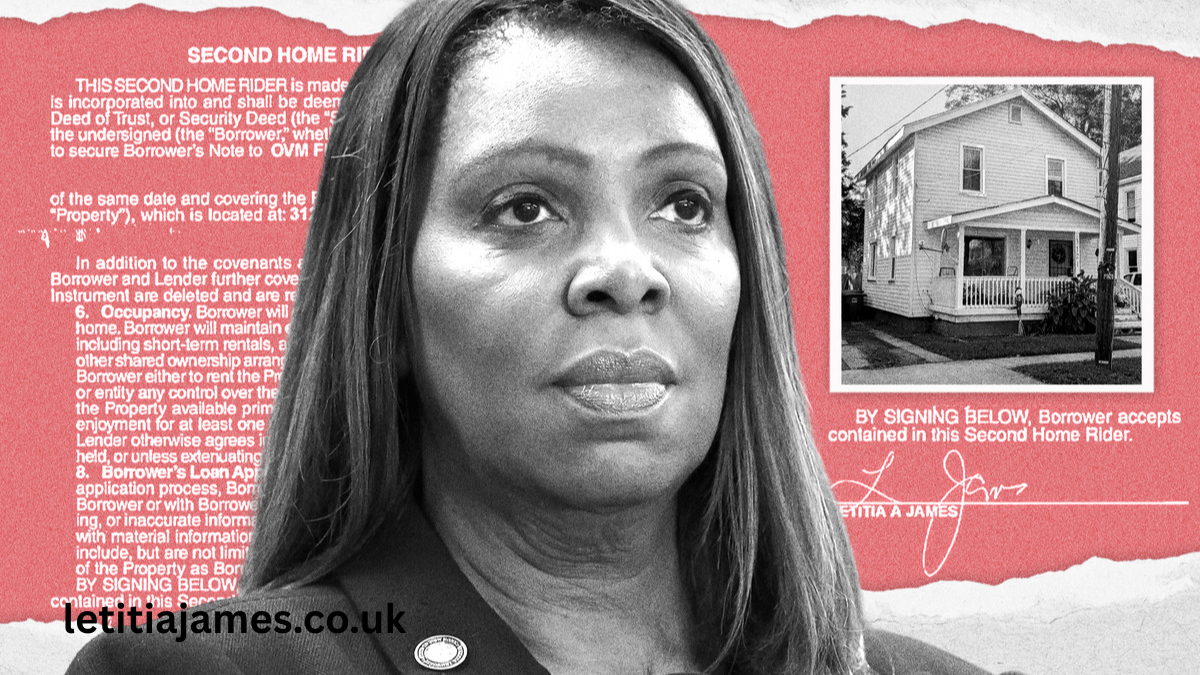
The phrase letitia james mortgage contract indictment became widely searched after New York Attorney General Letitia James was federally indicted in Virginia in October 2025. The case centred on a mortgage for a Norfolk, Virginia, property purchased in 2020. Federal prosecutors charged James with bank fraud and making false statements to a financial institution. It is important, however, to distinguish an indictment from a conviction: an indictment is an accusation, not a finding of guilt.
For readers researching the mortgage case, the central issue was not simply whether James had a mortgage. The dispute concerned information allegedly provided to the lender about how the property would be used. Prosecutors said the loan received more favourable terms because the property was represented as a second home, while the indictment alleged it was later rented.
The story also became politically significant because James has been a prominent critic and legal adversary of Donald Trump. That political background generated competing interpretations of the prosecution. James denied wrongdoing and described the case as politically motivated. A careful explanation of the mortgage case therefore needs to separate the allegations in the charging document from facts and later court developments.
The federal case arose from a Norfolk property identified in the indictment as 3121 Peronne Avenue. According to the charging document, James was the borrower on a Fannie Mae-backed mortgage associated with the property. The government alleged that the mortgage included a “second home rider,” a contractual document that placed conditions on the property’s use.
The letitia james mortgage contract indictment alleged that James represented the Norfolk property as a second home while obtaining the loan. Prosecutors argued that this representation mattered because a second-home mortgage could provide more favourable financing than an investment-property loan. The indictment claimed that the difference in treatment produced a financial benefit of roughly $19,000 over the life of the loan.
The legal distinction is important. A mortgage contract is more than a promise to repay money; it can include representations, certifications, riders, and occupancy requirements. If a borrower knowingly provides materially false information to obtain financing, federal law can potentially become relevant. In James’s case, prosecutors brought one count of bank fraud under 18 U.S.C. § 1344 and one count of making false statements to a financial institution under 18 U.S.C. § 1014. The Justice Department’s announcement emphasised that the charges were allegations and that James was presumed innocent.

At the centre of the mortgage allegations was the alleged mismatch between the property’s stated purpose and its actual use. The indictment said the second-home rider required James to occupy and use the property as a second home and prohibited certain rental arrangements unless the lender gave written approval. Prosecutors alleged that the property was instead rented to a family.
That allegation matters because mortgage underwriting depends heavily on risk. Lenders generally evaluate a borrower’s intended use of a property when setting loan terms. A primary residence, second home, and investment property can carry different underwriting assumptions. The government therefore treated the alleged occupancy representation as potentially material to the lender’s decision.
The indictment also alleged that the mortgage arrangement reduced James’s costs compared with financing the property as an investment property. Reporting at the time described the alleged benefit as approximately $19,000. But readers should be cautious with headlines suggesting that the allegation itself proves fraud. Criminal fraud charges require the government to establish the necessary elements beyond a reasonable doubt, including the required intent.
The letitia james mortgage contract indictment quickly became part of a larger political dispute. James had previously pursued major litigation against Donald Trump in her role as New York attorney general, making her a highly visible political opponent of the president. Trump had also publicly called for action against James before the federal charges were announced.
James pleaded not guilty at her October 2025 arraignment. Her legal team argued that the allegations did not establish intentional criminal conduct and characterised the prosecution as politically motivated. Her defence also challenged the authority of the interim U.S. attorney who presented the indictment.
This context does not by itself establish whether the prosecution was justified or improper. The stronger approach is to look at the legal record. The letitia james mortgage contract indictment was a formal charging document, but the later procedural history became just as important as the original allegations. The case did not proceed to a normal criminal trial on those charges.
A major development in the letitia james mortgage contract indictment case came in November 2025, when a federal judge dismissed the indictment without prejudice. The court concluded that interim U.S. Attorney Lindsey Halligan had been unlawfully appointed. Because the dismissal was without prejudice, it did not amount to a judicial finding that the underlying mortgage allegations were true or false.
The government then faced the question of whether it could seek another indictment. In December 2025, reporting indicated that a grand jury in Virginia declined to reindict James on the mortgage fraud allegations. This was a significant procedural development because it meant the original charges were not simply carried forward into a new indictment.
The appellate and procedural issues surrounding Halligan’s appointment also continued beyond the initial dismissal. Court records and later litigation referenced appeals involving the dismissal of the James and Comey indictments. For anyone researching the letitia james mortgage contract indictment today, the status of the original 2025 indictment should therefore be described carefully: James was indicted, pleaded not guilty, and the indictment was later dismissed without prejudice; subsequent reporting said a grand jury declined to reindict her.
The letitia james mortgage contract indictment also offers a useful lesson about how mortgage paperwork can create legal exposure. Borrowers often focus on interest rates, down payments, and monthly payments, while overlooking occupancy clauses and other representations. Yet those provisions can be legally significant.
For example, a lender may price a loan differently depending on whether a property will be occupied by the borrower, used as a vacation home, or rented to tenants. A borrower who changes the intended use of a property should review the loan documents and, where required, obtain written permission from the lender. Verbal assumptions are a poor substitute for clear documentation.
The James case illustrates why the wording of a mortgage rider can matter years after a property purchase. The issue described in the indictment was tied to the terms and representations surrounding a 2020 transaction. Even when a dispute begins with a real-estate document, the consequences can extend into federal criminal law if prosecutors allege that a financial institution was intentionally deceived.
The letitia james mortgage contract indictment is best understood as a legal controversy with several distinct stages rather than as a simple story of an elected official being “convicted.” The original indictment contained allegations concerning a Norfolk property, a second-home mortgage arrangement, and statements made to a lender. James denied wrongdoing and pleaded not guilty.
The later dismissal changed the legal posture of the case. A dismissal without prejudice is not the same as an acquittal after trial, but it also means the original indictment did not produce a conviction. The reported decision by a subsequent grand jury not to reindict James is another important part of the timeline and should not be omitted from summaries.
For anyone searching the letitia james mortgage contract indictment, the most useful lesson is to follow primary legal documents and distinguish allegations, procedural rulings, and proven facts. Headlines can compress a complicated case into a few words, but mortgage disputes involving public officials require more careful reading.
What was the Letitia James mortgage contract indictment about?
The letitia james mortgage contract indictment concerned allegations involving a 2020 mortgage on a property in Norfolk, Virginia. Federal prosecutors alleged that James made false statements about the property’s intended use to obtain more favourable mortgage terms. She denied wrongdoing and pleaded not guilty.
Was Letitia James convicted of mortgage fraud?
No. The letitia james mortgage contract indictment did not result in a conviction. The indictment was dismissed without prejudice in November 2025, and later reporting said a Virginia grand jury declined to reindict James.
What did the mortgage contract allegedly require?
The indictment said the mortgage included a second-home rider requiring the property to be used as a second home and restricting rental use without the lender’s written approval. Prosecutors alleged that the property was instead rented.
Why did the case receive so much political attention?
The letitia james mortgage contract indictment attracted political attention because James had been a prominent legal adversary of Donald Trump. James argued that the prosecution was politically motivated, while federal prosecutors presented the case as a criminal matter involving alleged financial misrepresentations.
What is the current significance of the case?
The letitia james mortgage contract indictment remains relevant as an example of how mortgage representations can become the subject of federal criminal allegations. Its procedural history also shows why an indictment should never be treated as proof of guilt and why later court decisions must be included in any responsible summary.