 11
11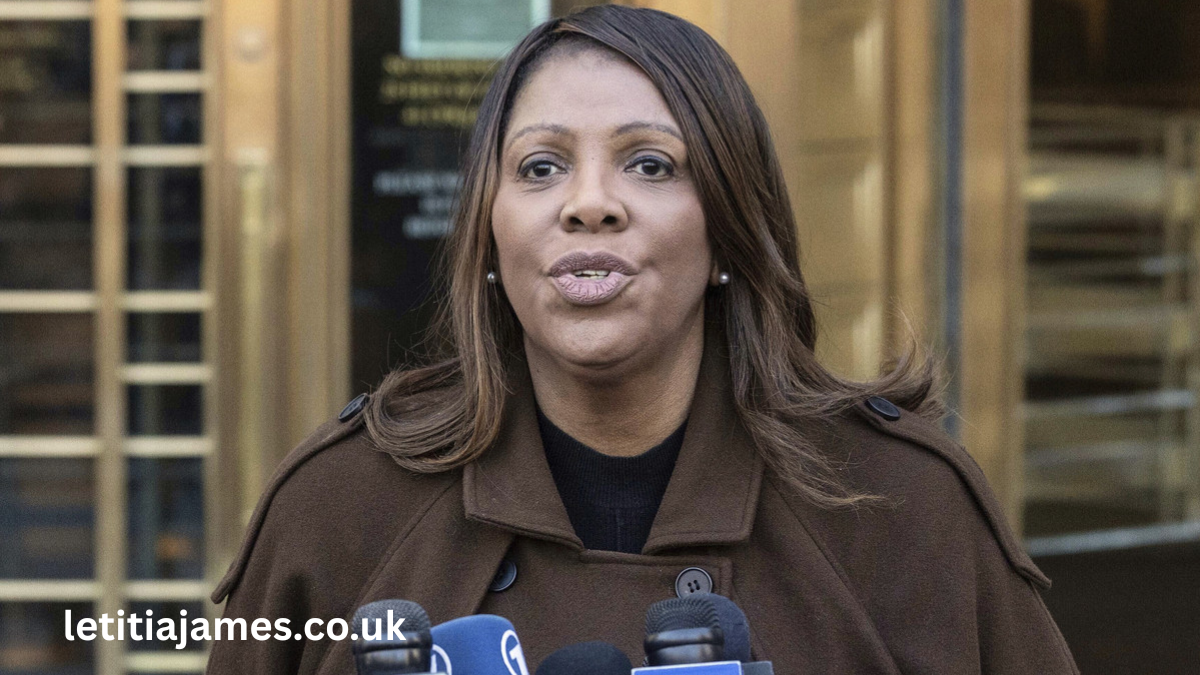
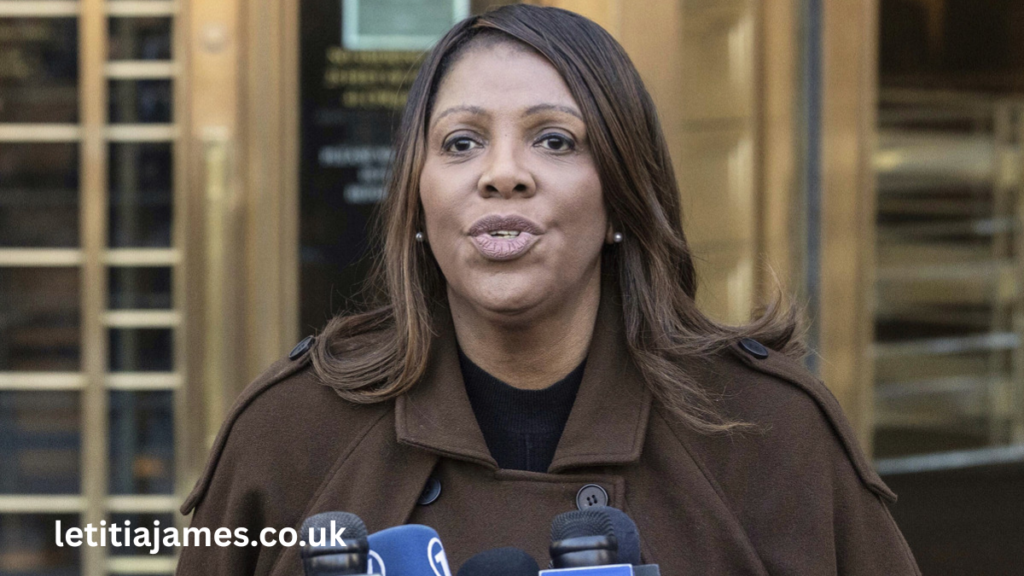
The Letitia James indictment became one of the most closely watched federal cases involving a sitting state attorney general in recent years. The case attracted national attention because it involved New York Attorney General Letitia James, a prominent political figure who had previously taken legal action against Donald Trump.
The original federal case was filed in Virginia in October 2025. Prosecutors accused James of bank fraud and making false statements to a financial institution in connection with a mortgage involving a property in Norfolk, Virginia. James pleaded not guilty and denied the allegations. The U.S. Department of Justice stated at the time that an indictment is an accusation and that the defendant is presumed innocent unless proven guilty.
Since then, the legal situation has changed substantially. A federal judge dismissed the case after finding that the prosecutor who obtained the indictment had been unlawfully appointed. Subsequent efforts to obtain another indictment also failed. In September 2026, an appeals court heard arguments over whether the government should be allowed to revive the prosecution.
The original Letitia James indictment concerned a 2020 mortgage application involving a property in Norfolk. Federal prosecutors alleged that James made inaccurate representations about the property in financial documents and that those representations helped her obtain more favorable lending terms.
According to the Justice Department’s October 9, 2025 announcement, the charges included bank fraud under federal law and making false statements to a financial institution. Prosecutors alleged that the conduct involved intentional misrepresentations. James disputed the allegations and maintained her innocence.
The case received additional attention because of James’s position as New York attorney general and her previous litigation involving Trump. Reuters reported that James characterized the prosecution as politically motivated, while the Justice Department presented the case as an ordinary criminal prosecution based on alleged financial misconduct. Those are competing characterizations, and the court proceedings focused heavily on legal and procedural questions rather than resolving broader political arguments.
It is also important to understand what an indictment means. An indictment does not establish guilt. It means a grand jury has found sufficient basis to formally charge someone with a federal offense. The DOJ itself emphasized this distinction when announcing the charges against James.
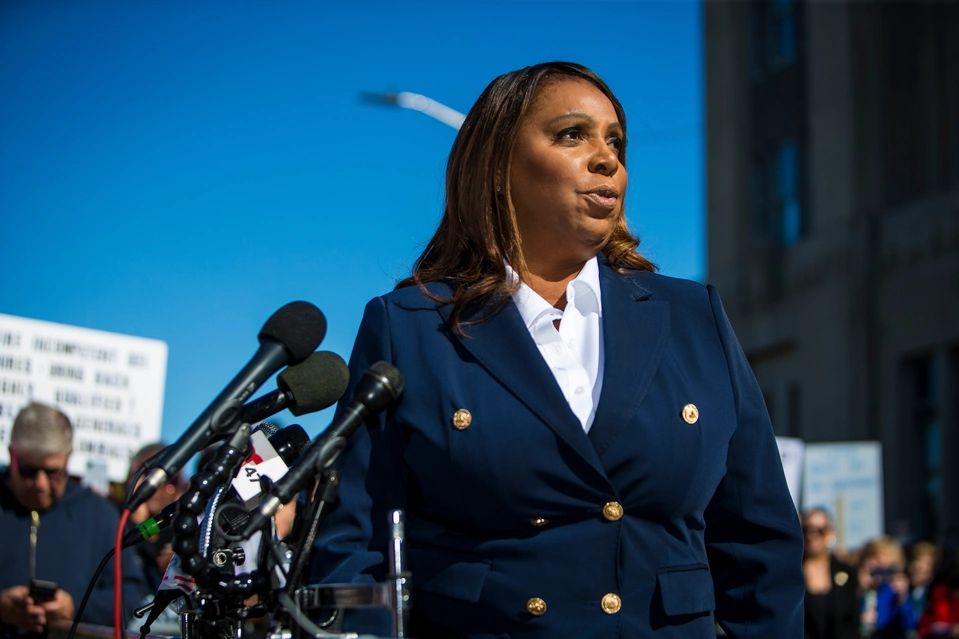
A major turning point in the “Letitia James indictment” case came when a federal judge examined the authority of the prosecutor who had brought the charges. The prosecutor, Lindsey Halligan, had been serving as interim U.S. attorney for the Eastern District of Virginia when the indictment was obtained.
The court later ruled that Halligan’s appointment was unlawful. Because the appointment issue affected the authority under which the prosecution had been brought, the court dismissed the case. The dismissal did not amount to a finding that James had committed the alleged offenses, nor did it constitute a criminal conviction or acquittal on the underlying allegations.
The distinction matters when discussing the Letitia James indictment because headlines can make a dismissed criminal case sound more straightforward than it actually is. There are two separate questions: what prosecutors alleged James did, and whether the prosecution was legally authorized to proceed in the manner it did.
The Justice Department challenged the dismissal. The government argued that the appointment problem should not prevent the case from continuing, while James’s side defended the dismissal. By September 2026, the dispute had moved to the U.S. Court of Appeals for the Fourth Circuit, where judges questioned the government’s position concerning the appointment.
Following dismissal of the original Letitia James indictment, federal prosecutors attempted to obtain another indictment. Those efforts did not immediately succeed. In December 2025, a grand jury in Norfolk declined to indict James, according to ABC News reporting.
A second grand jury in Alexandria, Virginia, also declined to indict her shortly afterward. This created another important distinction in the case: the government was not simply continuing the original prosecution after dismissal. It was attempting to secure new criminal charges through another grand jury process.
James continued to deny wrongdoing. Reporting at the time also noted that the allegations involved representations concerning the use and financing of the Norfolk property. Because grand-jury proceedings are generally secret, the public does not receive a complete transcript explaining why jurors declined to issue another indictment.
The situation became more complicated in early 2026 when federal prosecutors began examining another set of financial transactions involving James. CBS News reported in January 2026 that prosecutors had launched a new criminal investigation after previous grand juries declined to indict her on the earlier allegations.
As of September 2026, the Letitia James indictment dispute remains connected to an appeal concerning the dismissal of the original case. On September 15, the Fourth Circuit heard arguments over the Justice Department’s attempt to revive the prosecution.
Reuters reported that the appellate judges appeared skeptical during oral arguments. However, the central legal question before the court was not whether James was guilty of bank fraud. Instead, the court was examining whether the prosecutor who secured the indictment had been legally appointed and what consequence that issue should have for the dismissed prosecution.
The Justice Department is seeking to overturn the dismissal, while James’s legal team is defending the lower court’s decision. The appeals court had not issued a final ruling as of September 17, 2026, so the ultimate status of the government’s appeal remains unresolved.
This means descriptions of the Letitia James indictment should be precise. The original charges were filed in 2025, the case was dismissed, subsequent grand-jury efforts failed, and the government is now pursuing an appellate challenge connected to that dismissal.
The Letitia James indictment has attracted unusual public interest partly because James is not a private citizen. As New York’s attorney general, she is a nationally recognized public official whose office has handled major investigations and lawsuits.
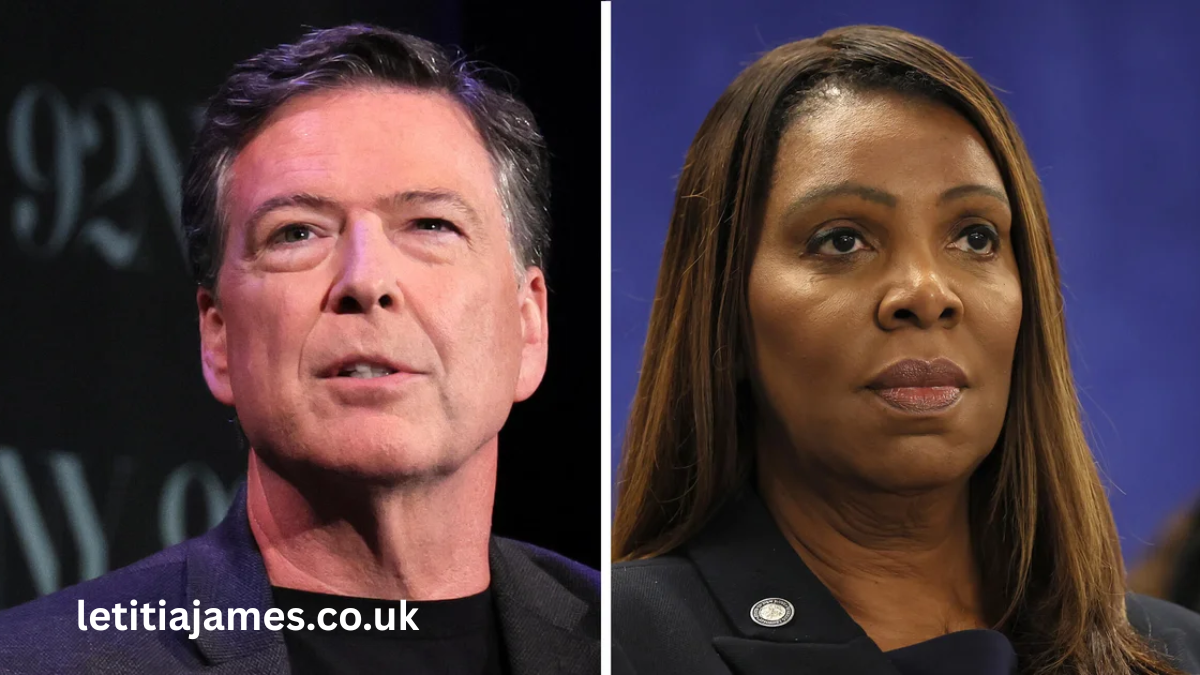
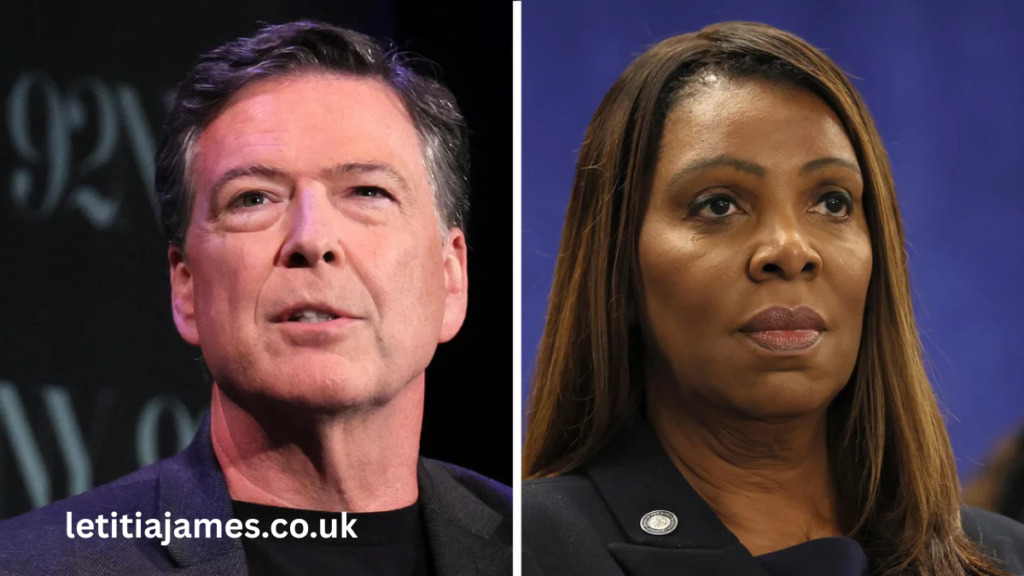
The case also intersects with a broader debate over prosecutorial independence. Reuters reported that the September 2026 appellate hearing focused on the authority of the Justice Department to appoint the interim prosecutor who brought the cases against James and former FBI Director James Comey.
There are competing interpretations of the broader political context. James and her supporters have described the prosecution as retaliation, while federal authorities have maintained that the charges represented legitimate enforcement of federal law. Those claims should be distinguished from the procedural rulings that have actually occurred in court.
For readers following the Letitia James indictment, the most useful approach is therefore to separate allegations, legal rulings, and political commentary. The allegations describe what prosecutors claimed. The court rulings determine whether the prosecution could proceed. Political interpretations remain claims made by the participants and observers rather than established findings of criminal guilt.
The Letitia James indictment demonstrates why legal terminology matters when following high-profile criminal cases. An indictment is not a conviction, and a dismissal based on a procedural or appointment issue does not necessarily resolve the factual allegations underlying the original charges.
James has denied the allegations throughout the case. The original federal indictment contained serious accusations, but the court never reached a trial verdict determining whether she committed the charged offenses. The dismissal instead centered on the legality of the prosecutor’s appointment.
The current appellate proceedings could provide another important chapter in the Letitia James indictment story. If the appeals court rules in favor of the government, further proceedings could follow. If the dismissal is upheld, the original prosecution would remain dismissed. The precise consequences depend on the court’s eventual ruling and any subsequent legal action.
For anyone researching the Letitia James indictment, checking the date of a report is particularly important. The case has changed considerably since October 2025, and older articles may describe the indictment as if it were still an active trial proceeding. Current reporting indicates that the appellate dispute remains unresolved as of September 17, 2026.
What was Letitia James indicted for?
The original charges involved alleged bank fraud and making false statements to a financial institution relating to a 2020 mortgage transaction involving a Norfolk, Virginia property. James pleaded not guilty and denied the allegations.
Was the original case against Letitia James dismissed?
Yes. A federal judge dismissed the case after ruling that the prosecutor who obtained the indictment had been unlawfully appointed. The dismissal was based on the legal authority of the prosecutor rather than a trial verdict on the underlying allegations.
Was Letitia James convicted?
No. The original case did not result in a criminal conviction. The indictment was dismissed before a trial verdict, and later grand-jury attempts to obtain another indictment did not result in new charges at that time.
Is the Letitia James case completely over?
Not necessarily. As of September 17, 2026, the Justice Department’s challenge to the dismissal was being considered by the Fourth Circuit Court of Appeals. The appellate court had not yet issued a final ruling in the matter.
Why is the Letitia James indictment case important?
The case involves questions about federal criminal prosecution, prosecutorial appointments, grand-jury proceedings, and the limits of executive appointment authority. It has also attracted political attention because of James’s public role and her previous legal actions involving Donald Trump. The legal issues, however, should be distinguished from political interpretations of the case.