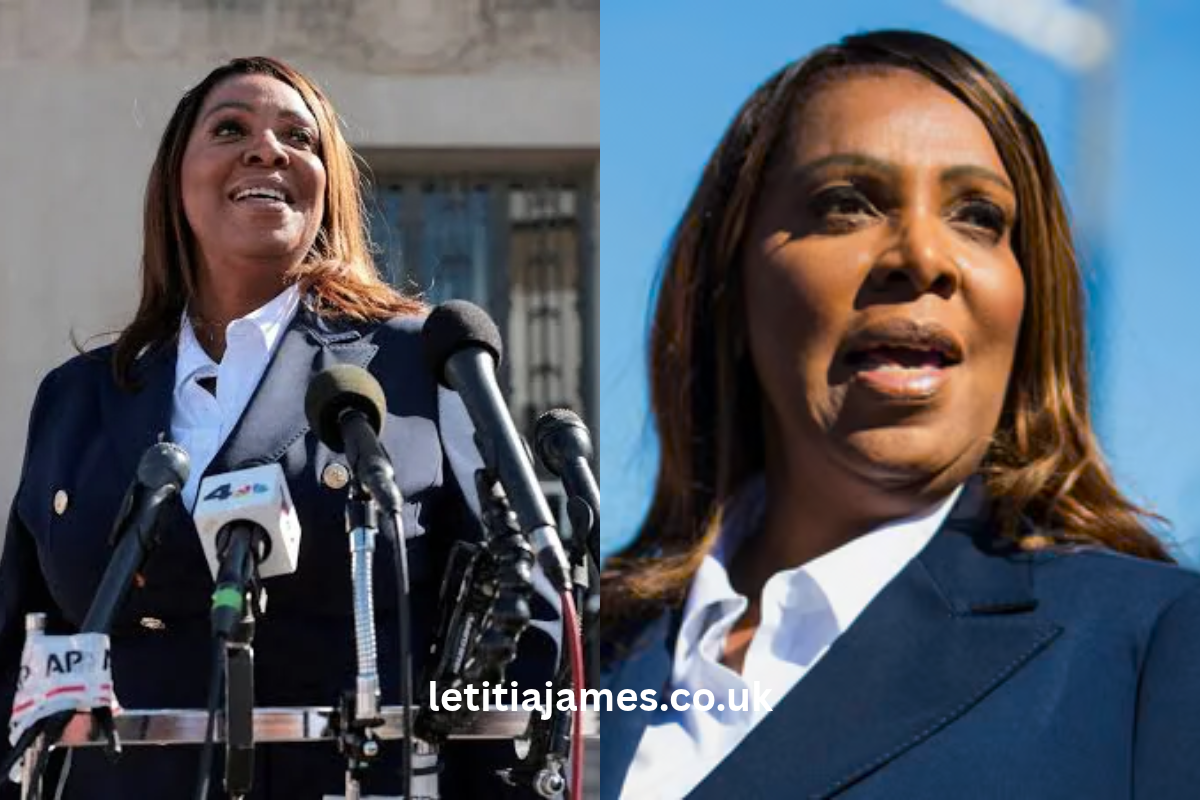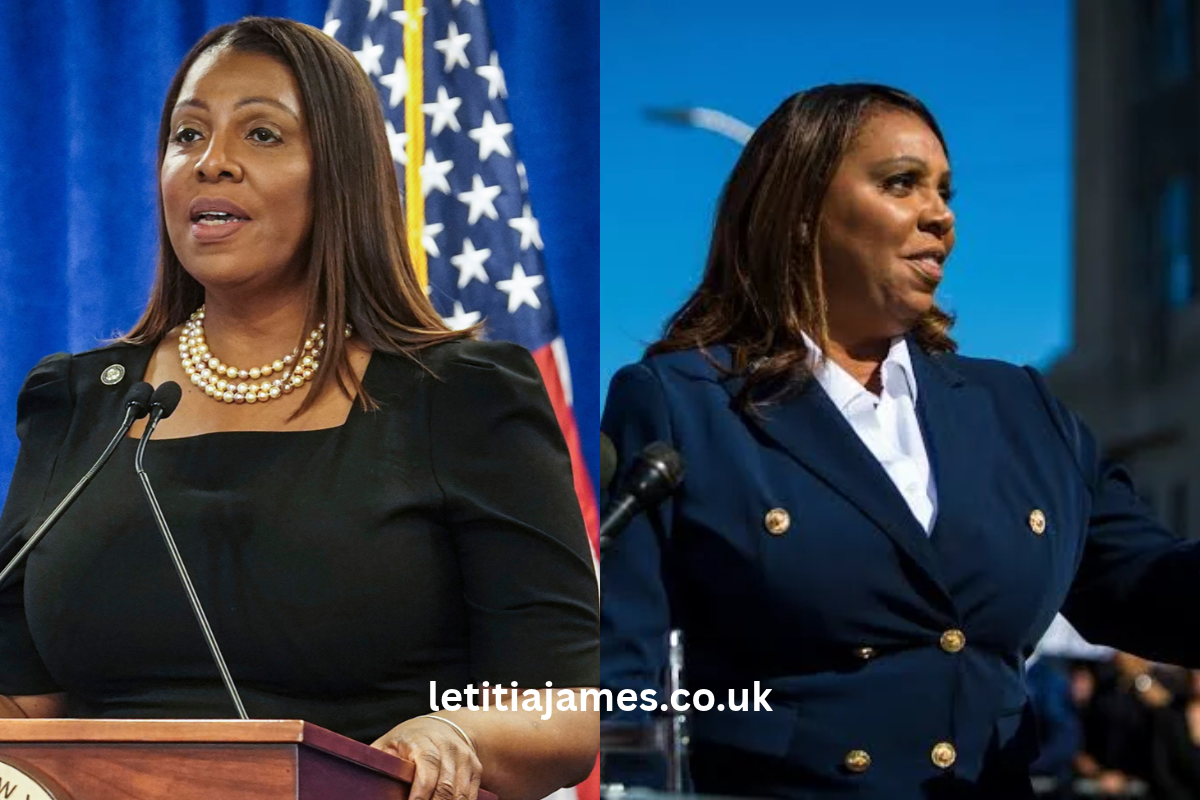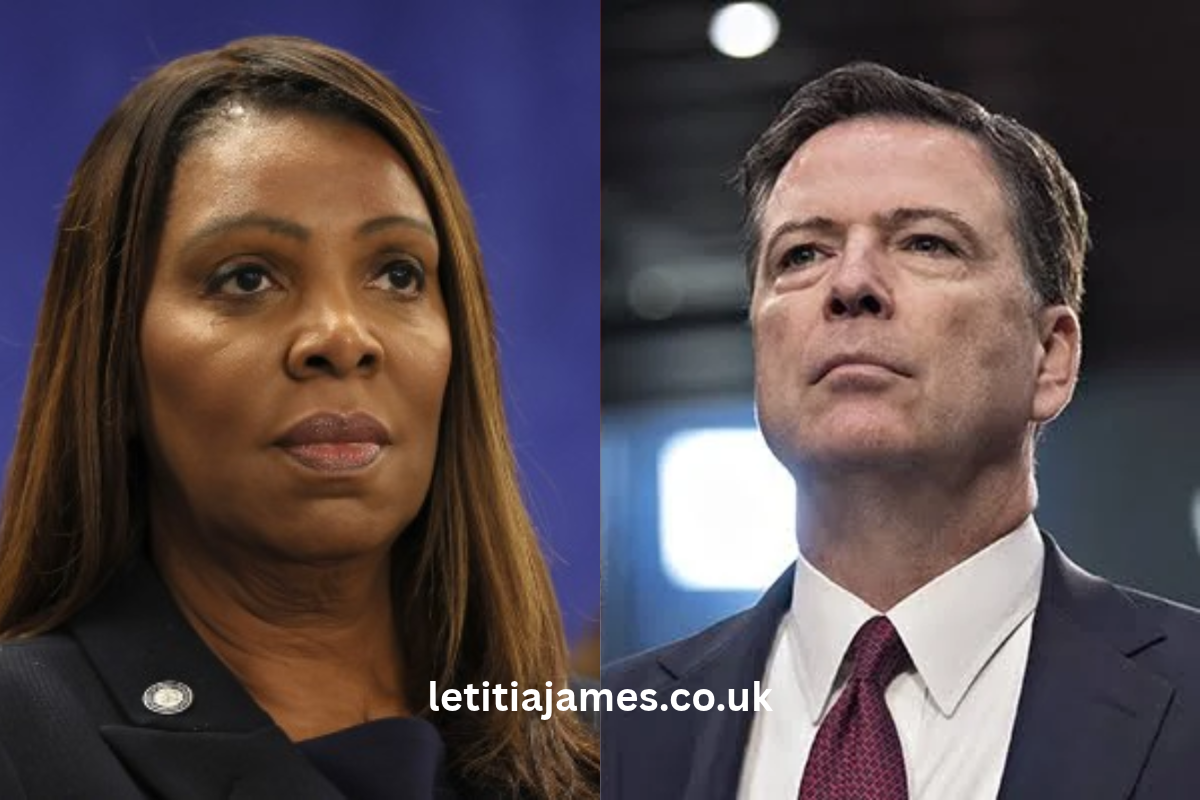
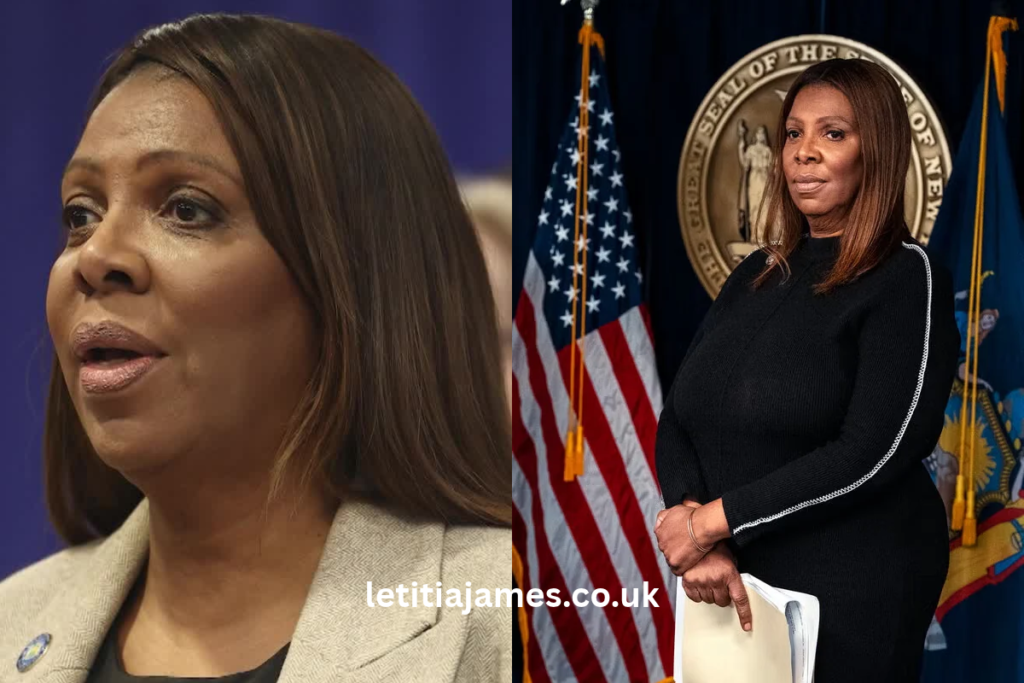
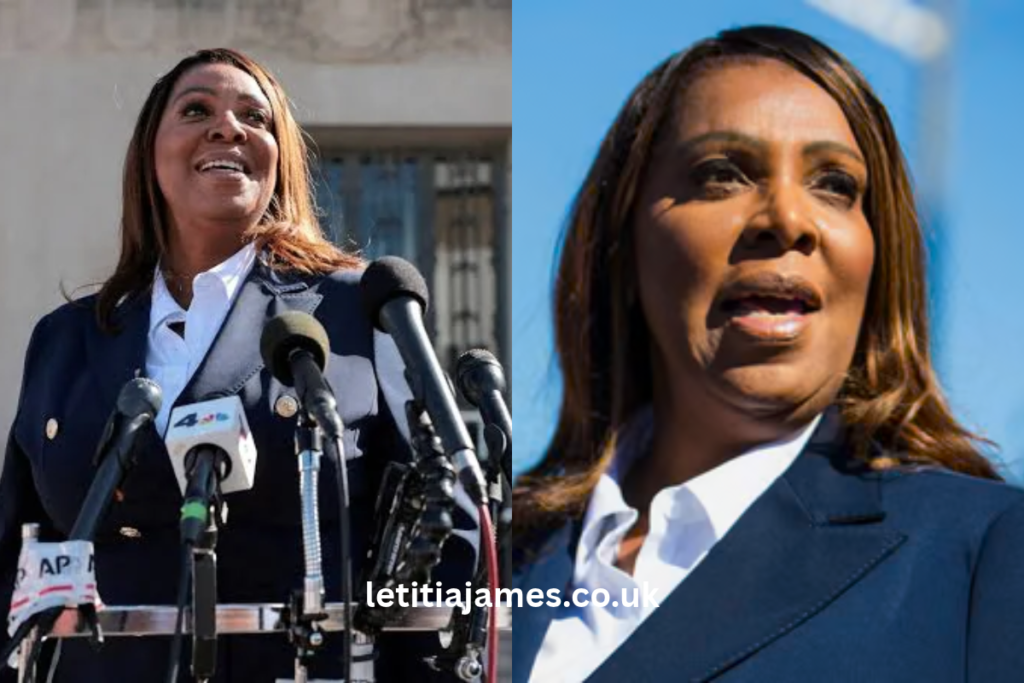
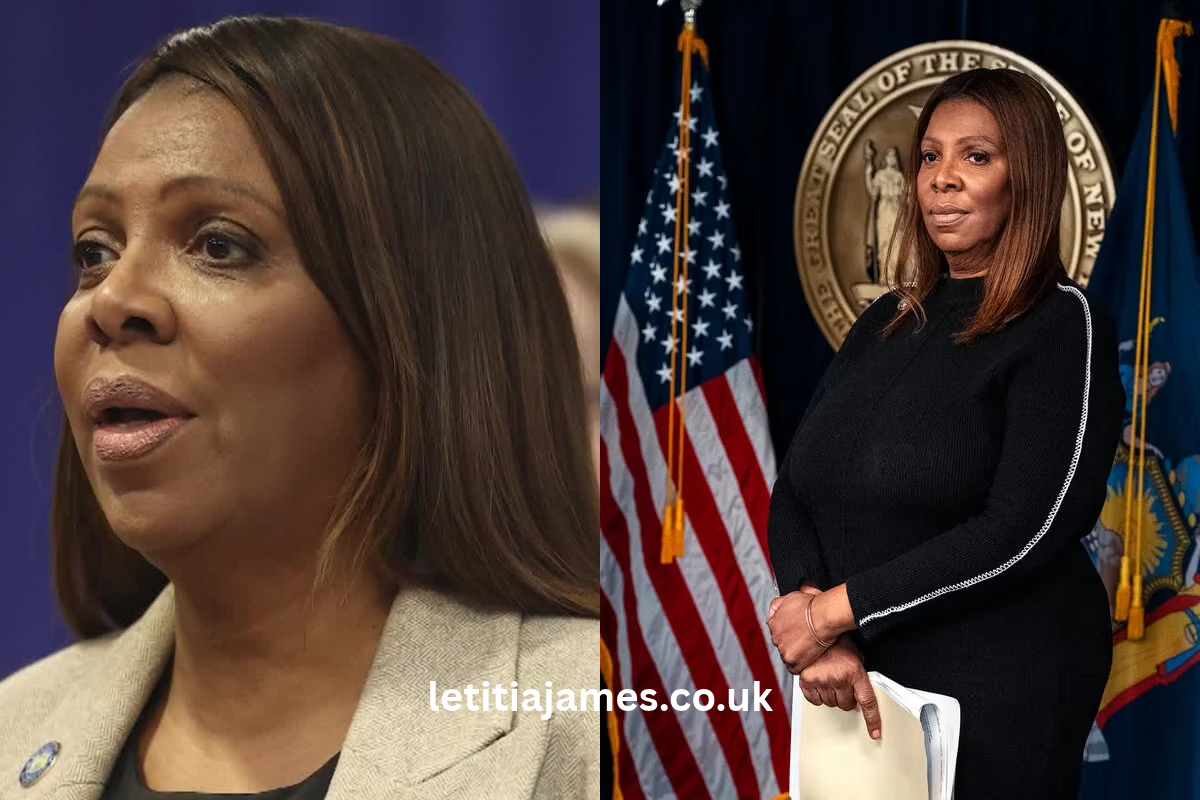
Letitia James Grand Jury: What Really Happened in Virginia?
The Letitia James Grand Jury case became one of the most closely watched legal stories in the United States after federal prosecutors repeatedly failed to secure new criminal charges against New York Attorney General Letitia James. The controversy began with mortgage fraud allegations involving a property in Norfolk, Virginia, but quickly developed into a wider legal battle involving the Department of Justice (DOJ), judicial appointments, and grand jury decisions. After a federal judge dismissed the original indictment in November 2025, prosecutors attempted to bring the charges again. However, two separate grand juries rejected those efforts in December. So, what really happened in Virginia, and why did the case attract so much national attention? Here is a closer look at the timeline, allegations, legal decisions, and latest developments.
Quick Facts About Letitia James
| Category | Details |
| Full Name | Letitia Ann James |
| Known As | Letitia James |
| Profession | Attorney and Politician |
| Position | New York Attorney General |
| Political Party | Democratic Party |
| Birth Date | October 18, 1958 |
| Birthplace | Brooklyn, New York, USA |
| Education | Lehman College and Howard University School of Law |
| Main Legal Controversy | Federal mortgage fraud allegations |
| Original Indictment | October 9, 2025 |
| Original Case Dismissal | November 24, 2025 |
| First Grand Jury Rejection | December 4, 2025 |
| Second Grand Jury Rejection | December 11, 2025 |
| Current Status | No replacement indictment secured in those proceedings |
Who Is Letitia James?
Letitia James is an American attorney and Democratic politician who serves as New York’s attorney general. She became nationally recognized for her legal work involving major corporations, financial institutions, and prominent political figures.
Born and raised in Brooklyn, James built her career through public service and legal practice. Before becoming attorney general, she worked in several government positions and represented parts of Brooklyn in the New York City Council.
Her political career reached a major milestone in 2013 when she became New York City’s public advocate. In 2018, she won the election for New York attorney general, becoming the first woman elected to that position and the first African American to hold the office.
Her work has frequently placed her at the center of national political and legal discussions.
How Did the Virginia Grand Jury Case Begin?
The controversy started in October 2025, when federal prosecutors charged James with two criminal offenses involving a mortgage application for a property in Norfolk, Virginia.
The government alleged that James misrepresented how she intended to use the property when obtaining mortgage financing in 2020.
According to prosecutors, she described the property as a second home rather than an investment property. They argued that this classification helped her obtain more favorable mortgage conditions.
The original indictment included two charges: bank fraud and making false statements to a financial institution.
James denied the allegations and pleaded not guilty. She also criticized the prosecution, describing it as politically motivated.
The allegations were never established through a criminal trial.
Why Was the Original Indictment Dismissed?
On November 24, 2025, U.S. District Judge Cameron McGowan Currie dismissed the original indictment against James.
The decision focused on Lindsey Halligan, the acting U.S. attorney who had presented the case to the grand jury. Halligan had previously worked as a personal attorney for Donald Trump.
Judge Currie determined that Halligan’s appointment to the acting U.S. attorney position was unlawful. As a result, she lacked the proper authority to bring the prosecution.
The judge dismissed the indictment without prejudice. This meant prosecutors were not automatically prevented from attempting to bring the allegations again through a legally authorized prosecutor.
The decision became an important turning point because the DOJ had to decide whether to pursue another indictment or abandon its efforts.
December 4, 2025: First Grand Jury Rejects the Charges
The first major setback occurred on December 4, 2025.
Federal prosecutors presented the proposed charges against James to a grand jury in Norfolk, Virginia. However, the grand jurors declined to approve the indictment.
The decision was reported by major news organizations, including Reuters, CBS News, and ABC News.
A grand jury rejection is unusual because prosecutors generally obtain indictments when presenting criminal cases. In this situation, however, the government failed to secure the necessary approval.
The decision represented a significant obstacle for prosecutors who were attempting to revive the mortgage fraud case after its original dismissal.
James welcomed the development and continued to maintain that the allegations were baseless.
December 11, 2025: A Second Grand Jury Rejects the Case
The DOJ faced another setback approximately one week later.
On December 11, 2025, a second federal grand jury in Alexandria, Virginia, also declined to indict James.
This was a separate proceeding from the earlier Norfolk presentation. The second rejection meant prosecutors had failed twice to obtain a replacement indictment.
The developments attracted further national attention because grand juries in two different Virginia locations had rejected the government’s renewed efforts.
Although the decisions did not amount to a criminal acquittal, they prevented prosecutors from moving forward with the proposed replacement charges through those proceedings.
What Does a Grand Jury No-Bill Mean?
A no-bill is a grand jury decision not to approve the indictment requested by prosecutors.
In the American legal system, a grand jury reviews evidence presented by the prosecution and determines whether probable cause exists to charge someone with a crime.
If jurors reject the proposed charges, prosecutors do not receive the indictment they requested.
However, a no-bill does not mean that a defendant has been found innocent after a trial. It also does not automatically establish that every allegation was false.
In James’s situation, the distinction is particularly important because the original indictment was dismissed over a legal issue involving the prosecutor’s appointment, while the later proceedings ended with grand jury rejections.
What Happened to the DOJ’s Appeal?
The dismissal of the original case did not end every legal issue surrounding the prosecution.
On December 19, 2025, the federal government filed an appeal challenging Judge Currie’s decision concerning Halligan’s appointment.
This appeal was separate from the two grand jury proceedings. It concerned the legal authority of the prosecutor who secured the original indictment.
The distinction matters because an appeal over a judge’s dismissal ruling does not mean that a defendant has been charged again.
Likewise, the two grand jury rejections did not themselves decide the appeal.
The legal questions surrounding the original appointment and the unsuccessful replacement indictment attempts should therefore be treated as separate developments.
Letitia James’s Career and Political Achievements
James has spent decades working in law, government, and public service. Her career includes several important milestones that helped establish her national profile.
She served on the New York City Council and later became the city’s public advocate. In 2018, she was elected attorney general and took office in January 2019.
As attorney general, she has handled investigations involving businesses, financial practices, consumer protection, and government accountability.
One of her most widely discussed legal actions involved a civil fraud case against Donald Trump and his business organization.
Her political career has also attracted criticism from political opponents, particularly because of her high-profile legal actions against powerful figures.
In November 2026, James won reelection as New York attorney general, securing another term in office.
Latest Cornell University Investigation
In addition to the Virginia case, James became involved in another high-profile legal matter in 2026.
On October 1, 2026, New York Governor Kathy Hochul appointed the attorney general’s office as a special prosecutor to investigate allegations involving a former Cornell University student.
The investigation concerns an alleged sexual assault at a fraternity party in October 2024. The allegations are separate from the mortgage-related case in Virginia.
Some defense attorneys have questioned James’s involvement, arguing that her earlier public comments expressing support for the accuser could raise concerns about impartiality.
On November 4, 2026, James appointed former federal prosecutor Jacqueline Kelly as outside counsel to lead the investigative team.
The Cornell investigation remains a separate matter and should not be confused with the federal grand jury proceedings involving James herself.
Public Image and Legal Legacy
Letitia James has become a prominent and sometimes controversial figure in American politics. Supporters often describe her as a strong attorney general willing to challenge powerful institutions, while critics question her political approach and high-profile investigations.
The Virginia prosecution added another chapter to her public profile. The original indictment, its dismissal, and the two subsequent grand jury rejections generated considerable debate about prosecutorial authority and the relationship between politics and federal law enforcement.
However, it is important to distinguish public criticism from established legal findings.
The original charges were dismissed because of the judge’s ruling on the prosecutor’s appointment. The replacement charges were not approved by the two grand juries. James was not convicted of the alleged mortgage offenses.
Her continued service and reelection demonstrate that the federal case did not prevent her from continuing her political career.
Conclusion
The Virginia proceedings marked a significant development in the legal history surrounding Letitia James. Her original federal indictment was dismissed on November 24, 2025, after a judge ruled that the acting U.S. attorney who brought the case had been unlawfully appointed. Federal prosecutors then made two further attempts to secure replacement charges, but grand juries in Norfolk and Alexandria rejected them on December 4 and December 11.
These decisions did not constitute a criminal acquittal, but they meant that the DOJ failed to secure a new indictment through either proceeding. James remained in office and won reelection in November 2026. The Virginia mortgage allegations, the government’s appeal, and the separate Cornell investigation are distinct legal matters that should be understood individually.
FAQs About Letitia James Grand Jury
Did the grand jury indict Letitia James again?
No. Two federal grand juries in Virginia declined to approve replacement indictments against James in December 2025.
Why was Letitia James’s original indictment dismissed?
A federal judge dismissed the original indictment because acting U.S. Attorney Lindsey Halligan was found to have been unlawfully appointed and lacked the proper authority to bring the prosecution.
When did the two grand juries reject the charges?
The first rejection occurred on December 4, 2025, in Norfolk, Virginia. The second occurred on December 11, 2025, in Alexandria, Virginia.
Was Letitia James found guilty of mortgage fraud?
No. James was not convicted of mortgage fraud. The original indictment was dismissed, and the subsequent grand jury proceedings did not produce replacement indictments.
Is Letitia James still the New York attorney general?
Yes. James won reelection in November 2026 and continues serving as New York attorney general.