
 11

The phrase Letitia James mortgage fraud has attracted attention because it connects New York Attorney General Letitia James with questions about mortgage applications, property records, and the responsibilities of public officials. As the issue has drawn public interest, readers have sought to understand the allegations, the legal standards involved, and the distinction between documented facts and political commentary.
Mortgage-related disputes can be complicated, particularly when they involve prominent public figures. Understanding the issue requires examining how mortgage applications work, what constitutes mortgage fraud, why property representations matter, and how legal claims should be evaluated. It is equally important to distinguish an allegation from a proven violation, since the existence of an accusation does not establish that someone committed a crime.
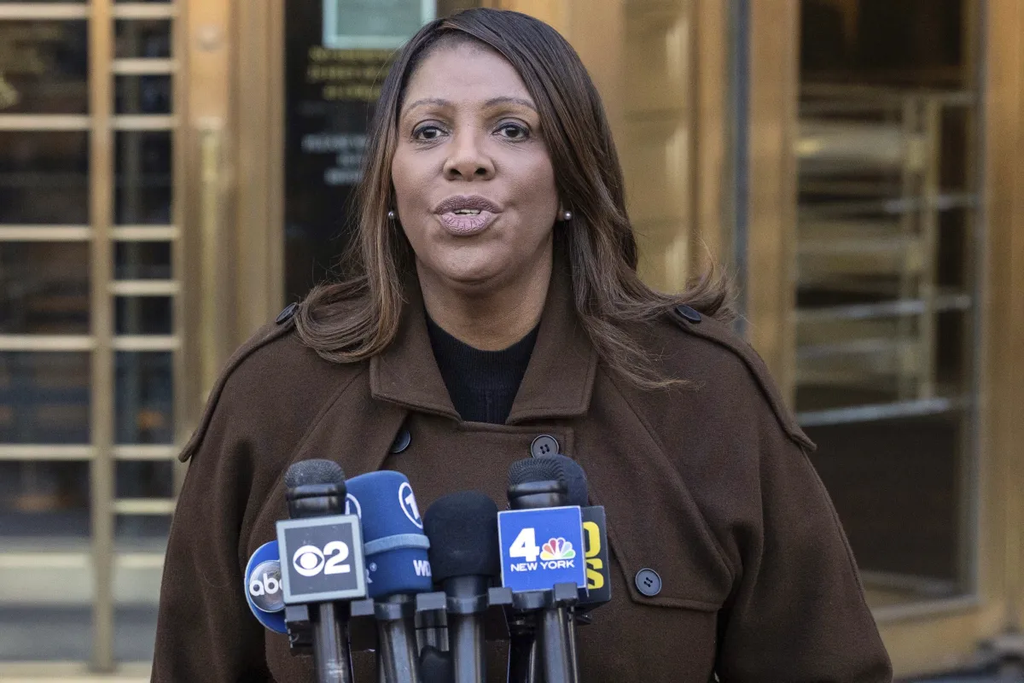
Letitia James Mortgage Fraud is a prominent American attorney and politician who serves as New York’s attorney general. She became the first woman elected to that office and the first Black person to hold the position. Her responsibilities include enforcing state laws, protecting consumers, pursuing certain civil and criminal matters, and overseeing legal actions involving businesses and individuals.
James gained national recognition through several high-profile legal actions involving major corporations and influential political figures. Her office has pursued cases concerning alleged financial misconduct, consumer protection violations, and other matters under New York law. These activities have made her a familiar figure in national political and legal discussions.
Her public role also means that scrutiny of her own conduct can attract significant attention. However, public prominence should not change the standards used to evaluate evidence. Claims involving a public official deserve the same careful examination as allegations involving any other individual, including attention to reliable documentation, applicable laws, and the outcome of relevant proceedings.
Discussion of Letitia James mortgage fraud generally centers on allegations or questions about property-related representations and whether information supplied in connection with real estate financing was accurate. Such discussions can involve property ownership, occupancy classifications, financial documents, or statements used by lenders to evaluate mortgage applications.
The precise legal significance of any alleged discrepancy depends on the underlying documents and circumstances. A difference between two property records, for example, does not automatically establish fraud. Records may contain errors, reflect different reporting periods, or use terminology that requires additional explanation. Investigators and courts must examine the relevant evidence before drawing conclusions.
Readers should therefore look for the specific allegation being made, the document supporting it, and any official response or legal determination. Headlines and social media posts sometimes combine several claims into a single narrative, making it difficult to identify what has actually been established. Reliable reporting should distinguish verified facts, disputed interpretations, and unproven accusations rather than presenting them as interchangeable.
Mortgage fraud generally involves a material misrepresentation, omission, or deceptive act connected to obtaining, processing, or maintaining a mortgage. Depending on the circumstances and applicable law, examples can include deliberately falsifying income, concealing significant debts, misrepresenting property occupancy, or submitting fabricated financial documents to a lender.
The word deliberately is important. An inaccurate statement may result from a clerical mistake, misunderstanding, or incomplete information. Fraud investigations typically examine whether a representation was material, whether it was knowingly or intentionally misleading where required by law, and whether the relevant legal elements can be established. The exact requirements vary according to the claim and jurisdiction.
For instance, suppose a borrower knowingly reports a property as a primary residence to obtain financing with more favorable terms while intending to use it exclusively as a rental. If the statement violates the loan agreement and applicable law, it may raise serious legal concerns. By contrast, an outdated database entry or an honest mistake does not automatically establish fraudulent intent. Context and supporting evidence matter.
Real estate transactions generate extensive documentation. Mortgage applications, deeds, tax assessments, insurance records, occupancy certifications, and lender correspondence may all contain information relevant to a dispute. When allegations involve a public figure, these records can become central to determining whether statements were accurate and whether any discrepancy had legal significance.
However, property records must be interpreted carefully. A deed identifies ownership interests, while a mortgage agreement establishes particular financing obligations. Tax documents serve different purposes, and an address appearing on a form does not necessarily establish how a property was used throughout a particular period. Comparing documents without considering their dates and purposes can lead to misleading conclusions.
A sound assessment begins with primary records and proceeds to the applicable legal standards. Where a dispute exists, readers should also consider explanations from the parties involved and findings issued by courts or authorized agencies. An allegation becomes more meaningful when its factual basis can be independently examined, but even substantial evidence must be assessed according to the relevant legal process.
Cases involving prominent politicians often become part of broader political arguments. Supporters may emphasize the official’s record of enforcing the law, while critics may demand greater scrutiny of the official’s personal conduct. Both reactions can shape public conversation, but neither establishes whether a particular allegation is true.
The Letitia James mortgage fraud discussion illustrates why consistent standards are important. Public officials should be accountable for their conduct, and credible allegations should receive appropriate scrutiny. At the same time, accusations should not be treated as established facts merely because they fit a political narrative or attract widespread attention.
Responsible commentary separates political criticism from legal analysis. It asks what the available evidence demonstrates, what remains disputed, and whether a competent authority has reached a conclusion. This approach allows people with different political views to evaluate the same information without relying entirely on partisan interpretations.
Legal proceedings can take different forms, including civil litigation, administrative investigations, and criminal cases. These processes have different purposes, procedures, and standards of proof. A civil dispute may concern financial liability or compliance with an agreement, whereas a criminal prosecution seeks to establish criminal responsibility under the applicable standard.
An investigation does not necessarily result in charges, and charges do not themselves establish guilt. Likewise, a civil finding should not automatically be described as a criminal conviction. Understanding these distinctions helps readers interpret headlines accurately and avoid overstating the significance of a particular procedural development.
Anyone following the Letitia James mortgage fraud issue should check the dates of reports and confirm whether later developments have changed the status of a claim. Court filings, official statements, and reputable news organizations are generally more useful than unsourced online commentary. When the legal status is uncertain, acknowledging that uncertainty is more accurate than assuming a final outcome.
Readers can use a few practical steps to assess claims involving mortgage fraud or other financial misconduct. First, identify the original source of the allegation. A direct court filing or official statement provides a clearer starting point than a post repeating someone else’s interpretation.
Second, examine the precise conduct alleged. Broad descriptions can obscure whether the issue concerns a disputed document, an alleged financial loss, a contractual disagreement, or a claim of intentional deception. These are not necessarily equivalent situations, and each may involve different legal questions.
Third, look for responses, independent corroboration, and subsequent developments. A balanced account should explain relevant evidence on both sides and clearly identify any unresolved issues. If a court or agency has issued a decision, readers should verify what the decision actually says instead of relying on a headline alone.
Finally, distinguish evidence from opinion. Political commentary can offer perspectives on accountability, but it should not replace factual verification. Applying these habits to the Letitia James Mortgage Fraud controversy—or any high-profile legal dispute—helps readers make better-informed judgments while avoiding the spread of inaccurate claims.
The attention surrounding Letitia James mortgage fraud demonstrates how questions about financial documentation, public accountability, and political controversy can become intertwined. Understanding the issue requires more than repeating an allegation: readers must examine the underlying evidence, the applicable legal standards, and the status of any relevant proceedings.
Mortgage fraud is a serious matter, but the legal meaning of an alleged discrepancy depends on its circumstances and the evidence available. Maintaining a clear distinction between accusations and established findings is essential for fair reporting. By relying on credible sources, examining original documents, and avoiding unsupported conclusions, readers can better understand complex legal controversies and their broader implications.
What does Letitia James mortgage fraud refer to?
The phrase refers to public discussion of allegations or questions concerning Letitia James Mortgage Fraud and mortgage-related property representations. The exact claim should be verified through reliable reporting and official records before any conclusion is drawn.
Is Letitia James guilty of mortgage fraud?
Guilt should not be inferred from an allegation. Whether any specific claim has been legally established depends on the relevant evidence and the outcome of applicable proceedings. Readers should consult current, reliable sources for verified developments.
What legally qualifies as mortgage fraud?
Mortgage fraud generally involves material deception connected to mortgage financing, such as knowingly submitting false financial information or misrepresenting property occupancy. The precise elements depend on the applicable law and circumstances.
Can an error on a mortgage document constitute fraud?
An error does not automatically constitute fraud. Investigators may consider whether the information was material, whether the person acted intentionally where required, and whether other elements of the relevant offense or claim are satisfied.
Where can readers find reliable information about this controversy?
Readers should consult official court records, statements from relevant authorities, and reputable news organizations. Checking publication dates and comparing multiple credible sources can help distinguish verified developments from speculation or partisan commentary.